Author: master

  • Montana Palm Trees

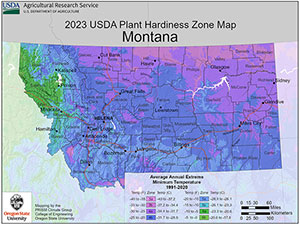
    Montana, one of the states notorious for its frigid climate, isn’t exactly the ideal locale for palm tree cultivation. This vast state can be categorized into two distinct climatic regions: semi-arid and continental. Its average January temperature hovers at 27°F (–2°C), while July brings an average temperature of 85°F (29°C). Winters here can be exceptionally…
  • Missouri Palm Trees

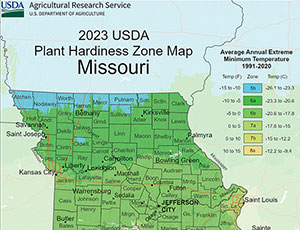
    Cultivating palm trees in Missouri is quite the challenge, primarily because of the harsh winter conditions that prevail in the state. Missouri’s climate can be described as humid continental, marked by lengthy, scorching summers and cool to downright cold winters. In July, the average temperature hovers around 79°F (26°C), but come January, it drops to…

  • Mississippi Palm Trees

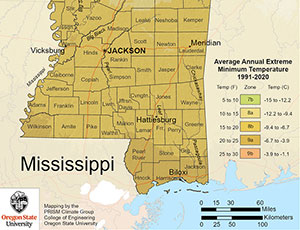
    You can successfully cultivate palm trees in the warmer regions of Mississippi, which enjoys a humid subtropical climate characterized by short, mild winters and long, scorching summers. The summertime here can be quite humid, with an average July temperature soaring to about 95°F (approximately 35°C). On the other hand, January ushers in milder weather, with…

  • Michigan Palm Trees

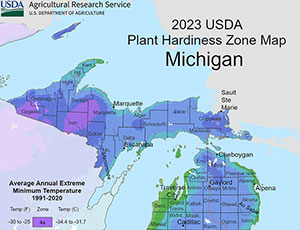
    Cultivating palm trees in Michigan can be a daunting challenge due to the state’s predominantly cold climate. Michigan is characterized by a continental climate, which translates to scorching summers and extremely cold winters. In July, the average temperatures typically span the range of 64 to 72°F (18 to 22°C). However, come January, the average temperatures…

  • Massachusetts Palm Trees

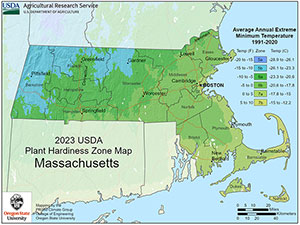
    Cultivating palm trees in Massachusetts is a challenging endeavor, primarily due to the state’s limited zone 7 area and the daunting winter storms it often faces. Massachusetts boasts a continental climate marked by cold, snowy winters and warm, humid summers. In January, average temperatures dip to around 22°F (–6°C), while July ushers in a milder…

  • Maryland Palm Trees

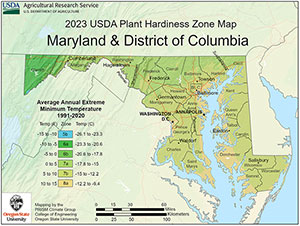
    While Maryland experiences cool winters overall, there are specific regions where palm trees can thrive. Maryland boasts a humid subtropical climate influenced by the Atlantic Ocean, featuring hot and humid summers with an average July temperature of 77°F (25°C) and cool winters with an average January temperature of 33°F (1°C). The annual snowfall varies significantly,…

  • Maine Palm Trees

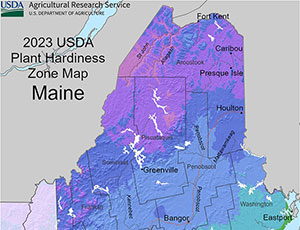
    Palm trees are not suited for cultivation in the state of Maine due to its harsh winters. Maine features a humid continental climate characterized by warm and humid summers as well as extremely cold winters. In July, temperatures typically range from 75 to 80 °F (24–27 °C), while in January, they plummet to a chilly…

  • Louisiana Palm Trees

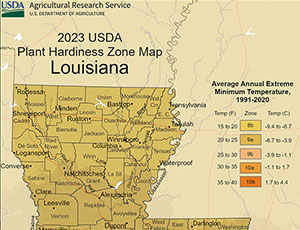
    There are numerous palm tree varieties that thrive in the state of Louisiana, thanks to its accommodating climate. Louisiana boasts a humid subtropical climate heavily influenced by the Gulf of Mexico. Summers are characterized by scorching heat and high humidity, with an average July temperature hovering around 82°F (28°C). Winters, on the other hand, are…

  • Kentucky Palm Trees

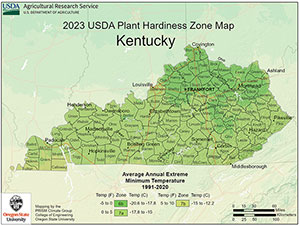
    Growing palm trees in the state of Kentucky can be quite challenging due to its climate conditions. Kentucky features a humid subtropical climate, characterized by warm and humid summers, with an average maximum July temperature of 87°F (30°C). Winters in Kentucky are moderately cold, with an average temperature in January hovering around 40°F (4°C). The…

  • Kansas Palm Trees

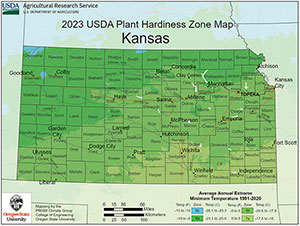
    Kansas is not conducive to palm tree cultivation due to its predominantly cold climate. The state of Kansas experiences three distinct climate types: humid subtropical, humid continental, and semi-arid steppe. Depending on the region, summers can be either hot and humid or hot and dry, with July maximum temperatures ranging from 91°F (32°C) to 93°F…

  • Iowa Palm Trees

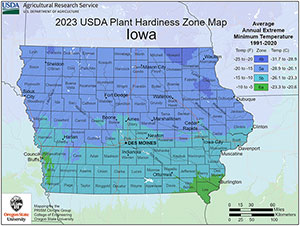
    Iowa presents a challenging environment for palm tree cultivation, as it is generally too cold for these tropical plants. Even the most cold-hardy palm varieties can only endure the colder temperatures found in zone 7 and higher. Iowa’s climate is characterized as humid continental, featuring wet springs, hot summers, and cold winters, with significant annual…

  • Indiana Palm Trees

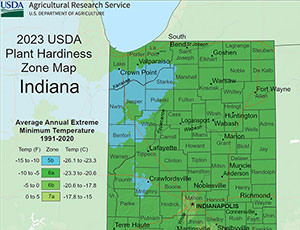
    Indiana’s climate isn’t favorable to palm tree cultivation. The state experiences a humid continental climate, characterized by chilly winters and warm summers. In January, temperatures typically range from 17°F (–8°C) to 35°F (2°C), while July sees averages ranging from 63°F (17°C) to 88°F (31°C). The USDA hardiness zones in Indiana span from 5b to 6b….

  • Illinois Palm Trees

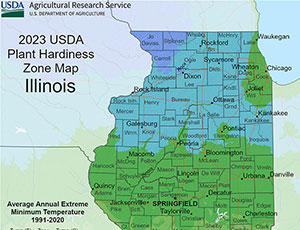
    You can give palm tree growing a shot in zone 7a, especially near the Kentucky border where the climate leans closer to humid subtropical. Illinois, however, is more on the temperate side. Summers here get hot and humid, with average temperatures ranging from 70°F (21°C) to 77°F (25°C), while winters can be cool to downright…

  • Idaho Palm Trees

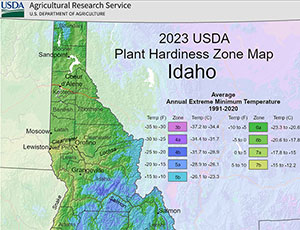
    In some of Idaho’s warmer regions, you can indeed cultivate cold-hardy palm trees. Idaho’s climate is decidedly continental, marked by hot summers and harsh winters. In Boise city, for example, you can expect an average temperature of 29°F (–2°C) in January and a balmy 74°F (23°C) in July. Generally, the state experiences low humidity levels….

  • Minnesota Palm Trees

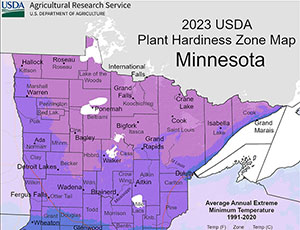
    Minnesota’s climate isn’t exactly palm tree-friendly. The state boasts a continental climate, featuring warm summers and frigid winters. Summers vary from hot and humid to warm and less muggy, with average July temperatures ranging between 61°F (16°C) and 76°F (24°C), depending on your location. Meanwhile, January brings chilly temperatures that hover between 3°F(−16°C) and 18°F…