Maine Palm Trees

Palm trees are not suited for cultivation in the state of Maine due to its harsh winters. Maine features a humid continental climate characterized by warm and humid summers as well as extremely cold winters. In July, temperatures typically range from 75 to 80 °F (24–27 °C), while in January, they plummet to a chilly 0-32 °F (−18 – 0 °C).

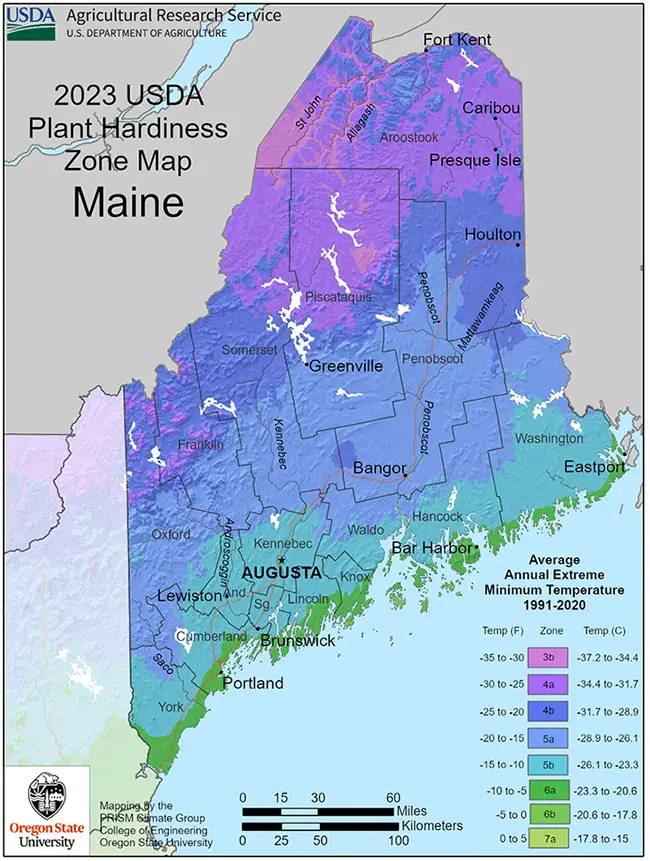
Extreme temperature fluctuations are evident in the state, with the highest recorded temperature reaching 105 °F (41 °C) and the lowest plummeting to a bone-chilling -50 °F (−46 °C). Unlike some regions, Maine does not experience hurricanes or tropical storms. Its USDA hardiness zones range from 3b to 6a.

Growing Palm Trees in Maine

Unfortunately, the climate in Maine is simply too cold to support the growth of palm trees. However, an alternative option is to cultivate palm trees indoors in containers and bring them outdoors during the summer months.

This way, you can enjoy the presence of palm trees in your garden for a few months each year. Some great indoor palms are:

More Palm Trees»

Major Cities in Maine

Bangor – Hardiness Zone 5a
Portland – Hardiness Zone 5a
Presque Isle – Hardiness Zone 3b
Similar Posts

  • Utah Palm Trees

    In Utah, you can successfully cultivate cold-hardy palm trees that exhibit remarkable durability and adaptability to desert conditions. Utah boasts a semi-arid to arid climate, characterized by pleasant weather featuring warm summers and mild winters. Approximately 33% of the state comprises true desert areas, where winter temperatures typically average below 32°F during the winter months….

  • Nebraska Palm Trees

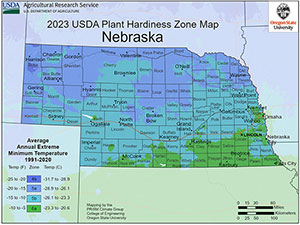
    Nebraska, being a predominantly cold state, is not favorable to the cultivation of palm trees. It is geographically divided into two distinct climatic regions: the eastern half of the state experiences a humid continental climate, while the western half is characterized by a semi-arid climate. Summers here tend to be hot, with an average July…

  • Tennessee Palm Trees

    Growing palm trees in Tennessee poses a considerable challenge due to its cold winters. The state’s climate varies, encompassing a humid subtropical climate in some areas and a humid continental climate in others. Summers tend to be hot and humid, with average July temperatures hovering around 90°F (32°C). Winters, while generally mild to cool, feature…

  • New Mexico Palm Trees

    You can successfully cultivate palm trees in New Mexico. The state’s climate varies from arid to semiarid, characterized by brief, mild winters and hot, dry summers. In January, average temperatures range from 35-55°F (2-13°C), with freezing temperatures common during winter. July brings average temperatures ranging from 78-92°F (26-33°C), with frequent occurrences of temperatures exceeding 100°F…

  • Wyoming Palm Trees

    Wyoming’s climate is too cold to support the growth of palm trees. The state experiences a semi-arid and continental climate, primarily influenced by factors such as its high altitude, northern latitude, and local topography. These elements collectively contribute to temperature fluctuations, precipitation levels, airflow patterns, and humidity levels. Overall, Wyoming is characterized by its dry…

  • California Palm Trees

    Growing palm trees in California is a breeze, especially if you’re situated in the warmer regions. California’s climate spans the gamut from arid to subarctic, featuring dry summers and rainy winters. In July, temperatures across the state average between 75°F (24°C) and 93°F (34°C), varying by location. Come January, you can expect average temperatures to…