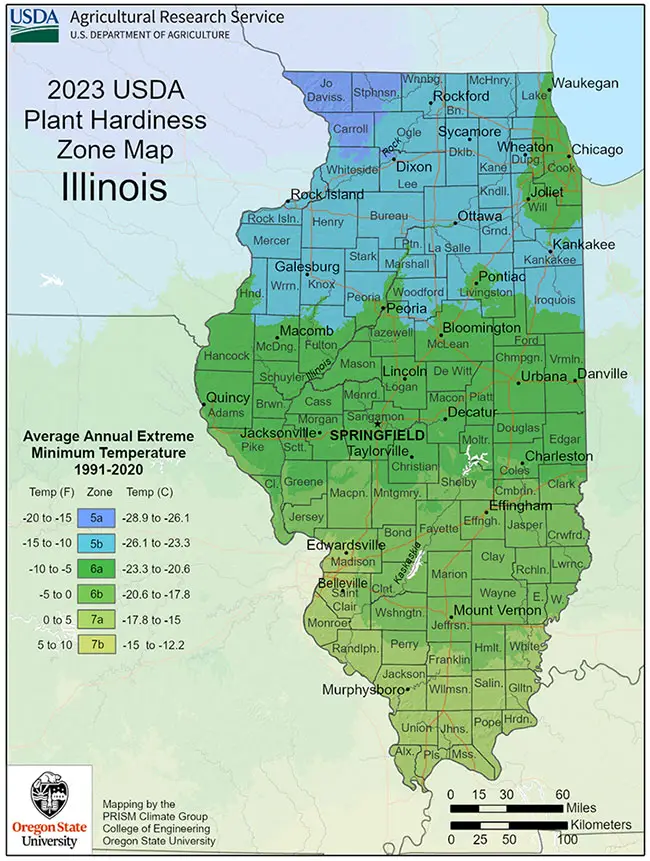
Illinois Palm Trees

You can give palm tree growing a shot in zone 7a, especially near the Kentucky border where the climate leans closer to humid subtropical. Illinois, however, is more on the temperate side.

Summers here get hot and humid, with average temperatures ranging from 70°F (21°C) to 77°F (25°C), while winters can be cool to downright cold, averaging between 22°F (–6°C) and 37°F (3°C). Illinois USDA hardiness zones cover the range from 5a to 7a.

The temperature extremes in Illinois have hit 117°F (47°C) at the high end and a bone-chilling –36°F (–37.8°C) at the low end. Throughout the year, expect your fair share of thunderstorms and around 37 inches of snowfall. And yes, the state does face the threat of tornadoes.

Growing Palm Trees in Illinois

But let’s be clear, Illinois isn’t exactly a paradise for palm trees. Your best bet would be to give it a shot in the zone 7 area near Cape Girardeau City.

However, bear in mind that just one extremely cold day can spell doom for your palms. If you sense a cold snap approaching, make sure to provide your trees with some much-needed protection.

More Palm Trees»

Major Cities in Illinois

Arlington Heights – Hardiness Zone 5a
Aurora – Hardiness Zone 5a
Chicago – Hardiness Zone 5b
Decatur – Hardiness Zone 5a
Elgin – Hardiness Zone 5a
Naperville – Hardiness Zone 5a
Peoria – Hardiness Zone 5a
Quincy – Hardiness Zone 5b
Rockford – Hardiness Zone 5a
Springfield – Hardiness Zone 5b
Similar Posts

  • Missouri Palm Trees

    Cultivating palm trees in Missouri is quite the challenge, primarily because of the harsh winter conditions that prevail in the state. Missouri’s climate can be described as humid continental, marked by lengthy, scorching summers and cool to downright cold winters. In July, the average temperature hovers around 79°F (26°C), but come January, it drops to…

  • Vermont Palm Trees

    Vermont, with its humid continental climate characterized by frigid winters and warm, humid summers, is not conducive to the growth of palm trees. During July, the average temperatures in Vermont typically span from 60 to 81°F (15-27°C), while in January, they plummet to a range between 4°F and 25°F (-15°C to -3°C). Notably, fall emerges…

  • South Dakota Palm Trees

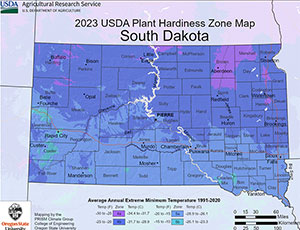
    South Dakota’s climate is far from suitable for growing palm trees due to its extreme cold. The state boasts a continental climate marked by hot semi-humid summers and bitterly cold winters. Average July temperatures typically span from 74°F to 80°F (23°C to 26°C), while January brings frigid temperatures ranging from 15°F to 25°F (-9°C to…

  • North Dakota Palm Trees

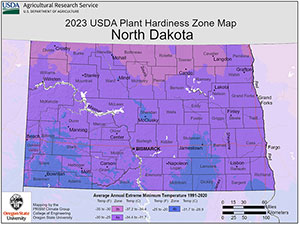
    North Dakota’s climate is simply too cold to support the growth of palm trees. The state experiences a continental climate characterized by hot summers and cold winters. In January, the average temperature drops to a chilly 7°F (-14°C), while July brings an average temperature of 69°F (21°C). North Dakota is known for its extreme weather,…

  • Wisconsin Palm Trees

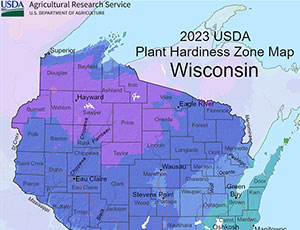
    Growing palm trees in Wisconsin is impractical due to the state’s cold climate. Wisconsin experiences a continental climate characterized by warm summers and extremely cold winters. The presence of Lake Michigan and Superior also influences its weather patterns. During the summer months, particularly in July, Wisconsin witnesses average temperatures ranging from 68°F (20°C) to 80°F…

  • Texas Palm Trees

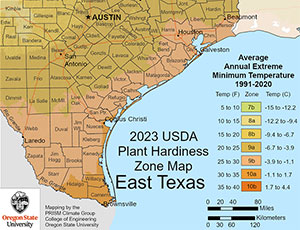
    Texas offers a wide variety of palm trees suitable for cultivation. Spanning a vast expanse, Texas encompasses diverse climates, ranging from arid conditions in the west to humid environments in the east. The state experiences an average July temperature range of 73-91°F (22-32°C), while January temperatures typically fall between 42-61°F (5-16°C). Texas faces natural threats…