Vermont Palm Trees

Vermont, with its humid continental climate characterized by frigid winters and warm, humid summers, is not conducive to the growth of palm trees.

During July, the average temperatures in Vermont typically span from 60 to 81°F (15-27°C), while in January, they plummet to a range between 4°F and 25°F (-15°C to -3°C). Notably, fall emerges as the most enjoyable season in this state.

Vermont has experienced extreme temperature ranges, with the highest ever recorded at 105°F (41°C) and the lowest plummeting to a bone-chilling -50°F (-46°C).

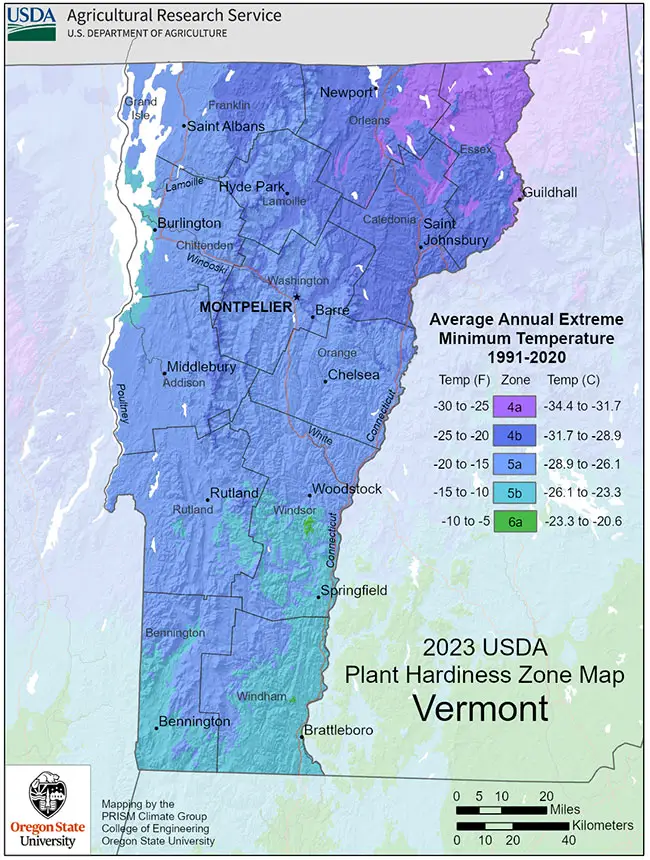
The state witnesses an annual snowfall averaging between 60 to 100 inches (152-254 cm), depending on the specific location. Vermont’s USDA hardiness zones encompass a range from 3b to 5b.

Growing Palm Trees in Vermont

Since Vermont is too cold for outdoor palm trees, the only way to have palm trees is to grow them indoors. Here are some great indoor palms:

More Palm Trees»

Major Cities in Vermont

  • Burlington – Hardiness Zone 4b

Similar Posts

  • Florida Palm Trees

    Palm trees thrive in the warm, humid embrace of Florida’s climate. The state’s weather ranges from tropical to subtropical, featuring mild winters and scorching summers. In the northern part, temperatures typically hover between 65°F to 70°F (18°C to 21°C), while in the south, it’s a balmy 74°F to 77°F (23°C to 25°C). Despite the annual…

  • Massachusetts Palm Trees

    Cultivating palm trees in Massachusetts is a challenging endeavor, primarily due to the state’s limited zone 7 area and the daunting winter storms it often faces. Massachusetts boasts a continental climate marked by cold, snowy winters and warm, humid summers. In January, average temperatures dip to around 22°F (–6°C), while July ushers in a milder…

  • North Dakota Palm Trees

    North Dakota’s climate is simply too cold to support the growth of palm trees. The state experiences a continental climate characterized by hot summers and cold winters. In January, the average temperature drops to a chilly 7°F (-14°C), while July brings an average temperature of 69°F (21°C). North Dakota is known for its extreme weather,…

  • Kentucky Palm Trees

    Growing palm trees in the state of Kentucky can be quite challenging due to its climate conditions. Kentucky features a humid subtropical climate, characterized by warm and humid summers, with an average maximum July temperature of 87°F (30°C). Winters in Kentucky are moderately cold, with an average temperature in January hovering around 40°F (4°C). The…

  • Tennessee Palm Trees

    Growing palm trees in Tennessee poses a considerable challenge due to its cold winters. The state’s climate varies, encompassing a humid subtropical climate in some areas and a humid continental climate in others. Summers tend to be hot and humid, with average July temperatures hovering around 90°F (32°C). Winters, while generally mild to cool, feature…

  • Idaho Palm Trees

    In some of Idaho’s warmer regions, you can indeed cultivate cold-hardy palm trees. Idaho’s climate is decidedly continental, marked by hot summers and harsh winters. In Boise city, for example, you can expect an average temperature of 29°F (–2°C) in January and a balmy 74°F (23°C) in July. Generally, the state experiences low humidity levels….