Nebraska Palm Trees

Nebraska, being a predominantly cold state, is not favorable to the cultivation of palm trees. It is geographically divided into two distinct climatic regions: the eastern half of the state experiences a humid continental climate, while the western half is characterized by a semi-arid climate.

Summers here tend to be hot, with an average July temperature of 76°F (24°C), while winters are notably cold, featuring an average January temperature of 22°F (–6°C).

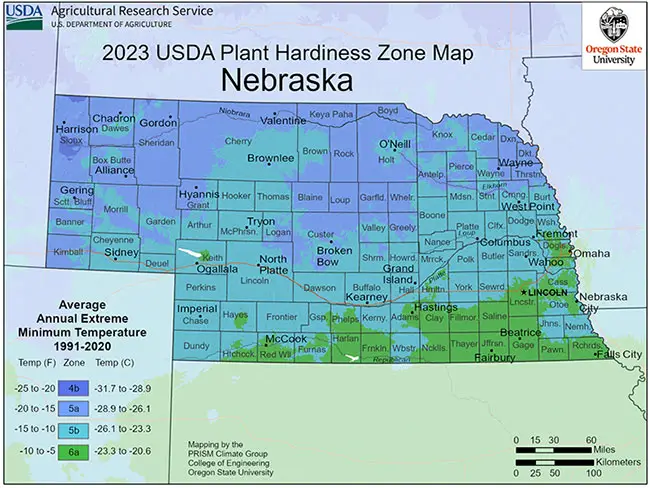
Precipitation in the form of snowfall is quite common, averaging about 25-35 inches (65-90 cm) annually. The state has witnessed its warmest temperature on record, reaching a scorching 118°F (48°C), and its coldest temperature plummeting to a bone-chilling −47°F (−44°C). Nebraska’s USDA hardiness zones span from 4a to 5b.

Growing Palm Trees in Nebraska

If you take a look at the hardiness zone map, you’ll see that most of the state is in zones 4b and 5a, which are just too chilly for palm trees to thrive.

But if you’re dead set on growing palm trees in Nebraska, here’s a more relaxed plan: keep them indoors in containers and move them outside when the summer heat kicks in. Here are some great indoor palms:

More Palm Trees»

Major Cities in Nebraska

Lincoln – Hardiness Zone 5b
North Platte – Hardiness Zone 5a
Omaha – Hardiness Zone 5a
Similar Posts

  • West Virginia Palm Trees

    Growing palm trees in West Virginia can be quite challenging unless you create a special environment. West Virginia has a mix of climates, including a humid continental climate and some parts with a humid subtropical climate. Summers here are humid and warm to hot, with July temperatures typically ranging from 67 °F (19 °C) to…

  • Missouri Palm Trees

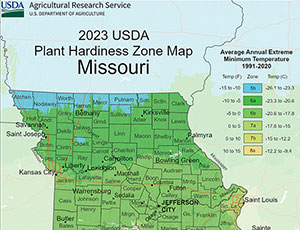
    Cultivating palm trees in Missouri is quite the challenge, primarily because of the harsh winter conditions that prevail in the state. Missouri’s climate can be described as humid continental, marked by lengthy, scorching summers and cool to downright cold winters. In July, the average temperature hovers around 79°F (26°C), but come January, it drops to…

  • Rhode Island Palm Trees

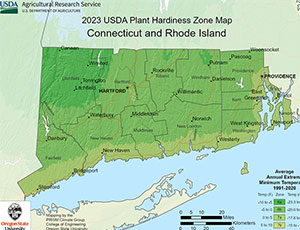
    Rhode Island’s climate is not conducive to palm trees, as it experiences cold temperatures throughout the year. The state features a humid continental climate characterized by chilly winters and brief, rainy summers. Summers are relatively warm, with average July temperatures around 73°F (23°C), while winters are cold, with an average January temperature of 28°F (–2°C)….

  • New Hampshire Palm Trees

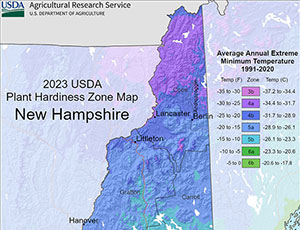
    New Hampshire is not a suitable place for palm trees due to its cold climate. The state experiences a humid continental climate characterized by cold and snowy winters, as well as warm and humid summers. In the southeastern part of the state, the influence of the Atlantic Ocean is felt. July sees average temperatures around…

  • Georgia State Palm Trees

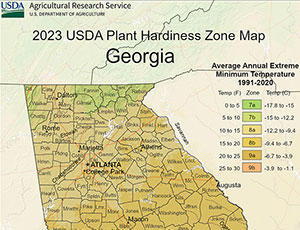
    While Georgia may not boast the same tropical warmth as Florida, it’s still a place where cold-hardy palm trees can thrive. The state enjoys a humid subtropical climate characterized by hot summers and mild winters, thanks to the influence of the nearby Atlantic Ocean. In January, you can expect an average temperature of 39°F (4°C),…

  • Michigan Palm Trees

    Cultivating palm trees in Michigan can be a daunting challenge due to the state’s predominantly cold climate. Michigan is characterized by a continental climate, which translates to scorching summers and extremely cold winters. In July, the average temperatures typically span the range of 64 to 72°F (18 to 22°C). However, come January, the average temperatures…