New Hampshire Palm Trees

New Hampshire is not a suitable place for palm trees due to its cold climate. The state experiences a humid continental climate characterized by cold and snowy winters, as well as warm and humid summers.

In the southeastern part of the state, the influence of the Atlantic Ocean is felt. July sees average temperatures around 70°F (21°C), while January averages around 21°F (–6°C). Annually, New Hampshire receives a significant amount of snowfall, ranging from 60 to 100 inches (150 to 250 cm) across the state.

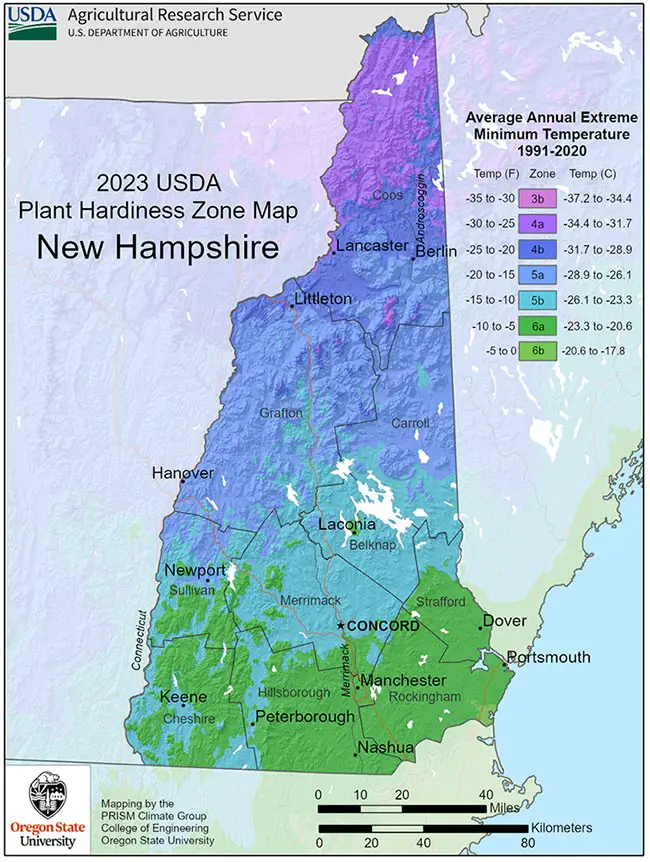
Extreme temperatures in New Hampshire have reached as high as 106°F (41°C) during the hottest times and as low as –46°F (–43°C) during the coldest periods. The state occasionally experiences the effects of hurricanes, tropical storms, and blizzards. New Hampshire’s USDA hardiness zones range from 3b to 6a.

Growing Palm Trees in New Hampshire

While some palm trees can tolerate short periods of cold down to -10°F, they need to be fully mature to withstand such conditions. In reality, New Hampshire’s climate is too cold for palm trees to thrive.

However, you can cultivate palm trees indoors in containers and bring them outside during the summer months, allowing you to enjoy palm trees in your garden for a few months each year. Some great indoor palms are:

More Palm Trees»

Major Cities in New Hampshire

Manchester – Hardiness Zone 4b
Nashua – Hardiness Zone 5a
Similar Posts

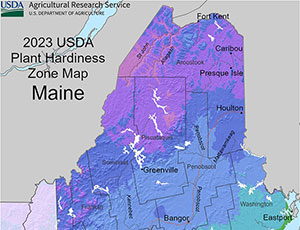
  • Maine Palm Trees

    Palm trees are not suited for cultivation in the state of Maine due to its harsh winters. Maine features a humid continental climate characterized by warm and humid summers as well as extremely cold winters. In July, temperatures typically range from 75 to 80 °F (24–27 °C), while in January, they plummet to a chilly…

  • New Mexico Palm Trees

    You can successfully cultivate palm trees in New Mexico. The state’s climate varies from arid to semiarid, characterized by brief, mild winters and hot, dry summers. In January, average temperatures range from 35-55°F (2-13°C), with freezing temperatures common during winter. July brings average temperatures ranging from 78-92°F (26-33°C), with frequent occurrences of temperatures exceeding 100°F…

  • Ohio Palm Trees

    Ohio’s climate is generally too cold to support the growth of palm trees. The state primarily experiences a humid continental climate, with some southern areas featuring a humid subtropical climate. Summers in Ohio are characterized by heat and humidity, with average July temperatures ranging from 72 to 76°F (22 to 24°C). In contrast, winters tend…

  • Alaska Palm Trees

    You might be surprised to learn that palm trees can indeed thrive in the state of Alaska. While many assume that Alaska’s summer temperatures are consistently cool, the truth is that the state experiences all four seasons. Summers can see temperatures soaring into the 90s°F, while winter temperatures plummet below an astonishing -60°F (-52°C). Given…

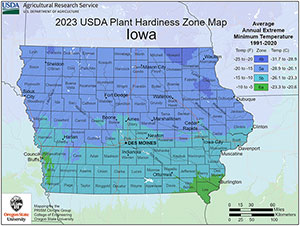
  • Iowa Palm Trees

    Iowa presents a challenging environment for palm tree cultivation, as it is generally too cold for these tropical plants. Even the most cold-hardy palm varieties can only endure the colder temperatures found in zone 7 and higher. Iowa’s climate is characterized as humid continental, featuring wet springs, hot summers, and cold winters, with significant annual…

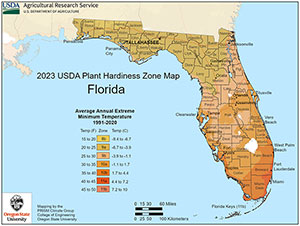
  • Florida Palm Trees

    Palm trees thrive in the warm, humid embrace of Florida’s climate. The state’s weather ranges from tropical to subtropical, featuring mild winters and scorching summers. In the northern part, temperatures typically hover between 65°F to 70°F (18°C to 21°C), while in the south, it’s a balmy 74°F to 77°F (23°C to 25°C). Despite the annual…