Kansas Palm Trees

Kansas is not conducive to palm tree cultivation due to its predominantly cold climate. The state of Kansas experiences three distinct climate types: humid subtropical, humid continental, and semi-arid steppe.

Depending on the region, summers can be either hot and humid or hot and dry, with July maximum temperatures ranging from 91°F (32°C) to 93°F (33°C). Winters vary from cold to mild, and in some areas, even warm, with average maximum January temperatures spanning from 36°F (2°C) to 40°F (4°C).

Annually, Kansas receives approximately 46 inches of rainfall, but the amount of snowfall varies widely, ranging from around 5 inches (130 mm) to 35 inches (900 mm) depending on the specific location.

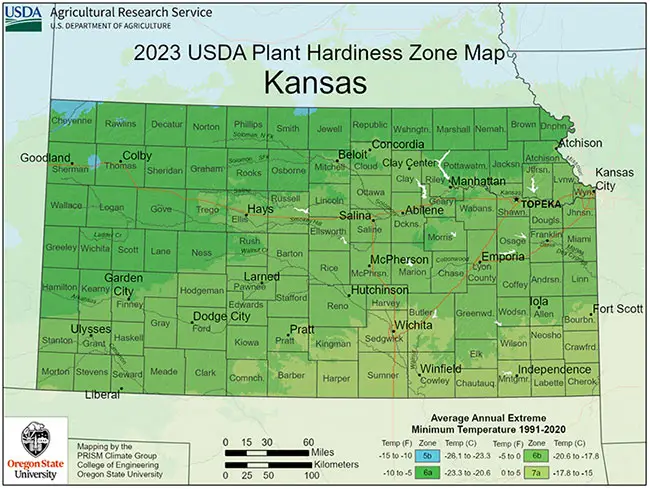
The state is also known for its frequent tornadoes and thunderstorms. The most extreme temperature recorded in Kansas was a scorching 121°F (49°C), while the lowest plummeted to a bone-chilling -40°F (-40°C). Kansas USDA hardiness zones encompass a range from 5b to 7a.

Growing Palm Trees in Kansas

The dynamic and often cold weather in Kansas presents challenges for palm tree growth. To successfully cultivate palm trees in this region, there are two recommended approaches: you can either create a warm microclimate within your yard or opt to grow palm trees indoors and bring them outside during the warmer summer months.

If you can establish a microclimate with temperatures similar to zone 7, you can consider growing the following palm tree varieties:

More Palm Trees»

Major Cities in Kansas

Kansas City – Hardiness Zone 6a
Overland Park – Hardiness Zone 6a
Shawnee Mission – Hardiness Zone 6a
Topeka – Hardiness Zone 6a
Wichita – Hardiness Zone 6a
Similar Posts

  • Washington DC Palm Trees

    Washington DC boasts a humid subtropical climate with distinctive seasonal variations. Winters are relatively cool, featuring an average temperature of 38°F (3.3°C) in January, while summers can be hot and humid, with an average temperature of 79.2°F (26.2°C). Winter in the district typically witnesses an annual snowfall averaging 14.7 inches (37cm), while summers bring frequent…

  • New Jersey Palm Trees

    Growing palm trees in New Jersey presents significant challenges. The state’s climate includes several regions, with variations from humid mesothermal to a humid continental climate. Summers tend to be hot and humid, featuring average July temperatures around 75°F (24°C). Winters, on the other hand, are cold, with average January temperatures of 31°F (–1°C). Snowfall accumulates…

  • Nebraska Palm Trees

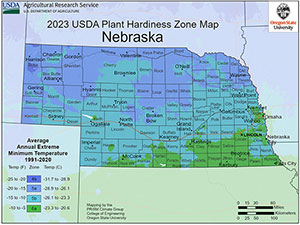
    Nebraska, being a predominantly cold state, is not favorable to the cultivation of palm trees. It is geographically divided into two distinct climatic regions: the eastern half of the state experiences a humid continental climate, while the western half is characterized by a semi-arid climate. Summers here tend to be hot, with an average July…

  • Maryland Palm Trees

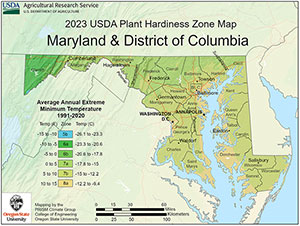
    While Maryland experiences cool winters overall, there are specific regions where palm trees can thrive. Maryland boasts a humid subtropical climate influenced by the Atlantic Ocean, featuring hot and humid summers with an average July temperature of 77°F (25°C) and cool winters with an average January temperature of 33°F (1°C). The annual snowfall varies significantly,…

  • Iowa Palm Trees

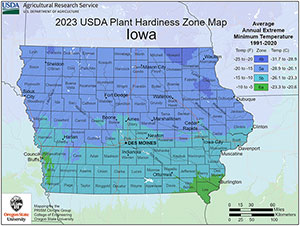
    Iowa presents a challenging environment for palm tree cultivation, as it is generally too cold for these tropical plants. Even the most cold-hardy palm varieties can only endure the colder temperatures found in zone 7 and higher. Iowa’s climate is characterized as humid continental, featuring wet springs, hot summers, and cold winters, with significant annual…

  • Alaska Palm Trees

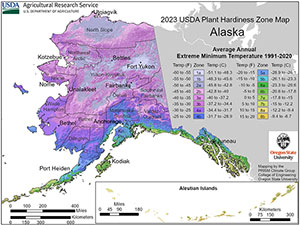
    You might be surprised to learn that palm trees can indeed thrive in the state of Alaska. While many assume that Alaska’s summer temperatures are consistently cool, the truth is that the state experiences all four seasons. Summers can see temperatures soaring into the 90s°F, while winter temperatures plummet below an astonishing -60°F (-52°C). Given…

One Comment

  1. Hello, I am from the city of Olathe and I was wondering if it would be possible to grow a date palm in my back yard?

Comments are closed.