Idaho Palm Trees

In some of Idaho’s warmer regions, you can indeed cultivate cold-hardy palm trees. Idaho’s climate is decidedly continental, marked by hot summers and harsh winters.

In Boise city, for example, you can expect an average temperature of 29°F (–2°C) in January and a balmy 74°F (23°C) in July. Generally, the state experiences low humidity levels.

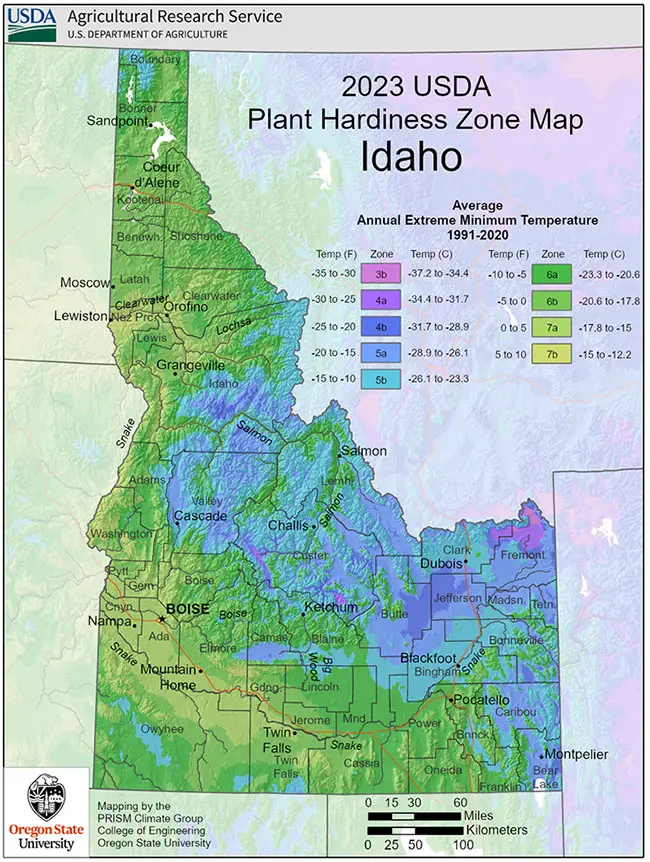
When it comes to USDA hardiness zones, Idaho spans from 3b to 7b. The mercury has climbed as high as 118°F (48 °C) and plummeted to a bone-chilling −60°F (−51 °C). During winter, the state receives an average of about 20 inches (51 cm) of snowfall.

Growing Palm Trees in Idaho

So, if you’re thinking of growing palm trees in Idaho, stick to the cold-hardy varieties. Enhancing their chances of survival means providing cover and creating a microclimate that can significantly expand the list of palms suitable for your area.

More Palm Trees»

Major Cities in Idaho

Boise – Hardiness Zone 6a
Pocatello – Hardiness Zone 4b
Twin Falls – Hardiness Zone 6a
Similar Posts

  • Florida Palm Trees

    Palm trees thrive in the warm, humid embrace of Florida’s climate. The state’s weather ranges from tropical to subtropical, featuring mild winters and scorching summers. In the northern part, temperatures typically hover between 65°F to 70°F (18°C to 21°C), while in the south, it’s a balmy 74°F to 77°F (23°C to 25°C). Despite the annual…

  • Oklahoma Palm Trees

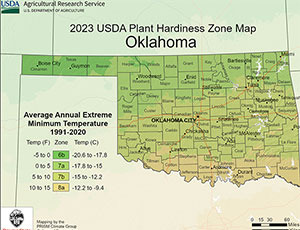
    You can grow cold-hardy palm trees in the warm regions of Oklahoma. The state features a humid subtropical climate characterized by hot summers and cold winters. The average January temperature is 36°F (2°C), while the average July temperature is 82°F (27°C). Oklahoma experiences an annual snowfall of approximately 8.6 inches (21.8 cm). It’s worth noting…

  • Connecticut Palm Trees

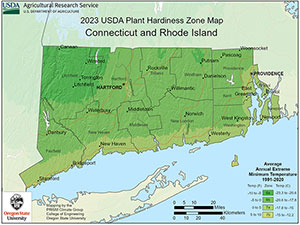
    While Connecticut may not be the palm tree paradise, there’s still hope for cold-hardy palm enthusiasts in zone 7. Connecticut’s climate is a blend of humid continental and humid subtropical, featuring hot and dry summers with average temperatures ranging from 81°F (27°C) to 87°F (31°C). Winters, on the other hand, can be chilly, with average…

  • Illinois Palm Trees

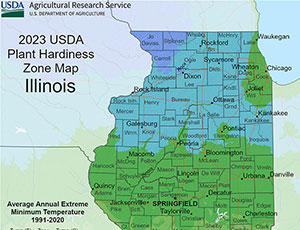
    You can give palm tree growing a shot in zone 7a, especially near the Kentucky border where the climate leans closer to humid subtropical. Illinois, however, is more on the temperate side. Summers here get hot and humid, with average temperatures ranging from 70°F (21°C) to 77°F (25°C), while winters can be cool to downright…

  • Mississippi Palm Trees

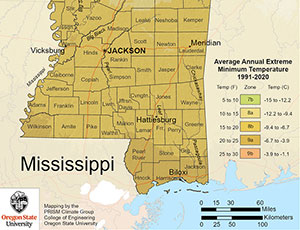
    You can successfully cultivate palm trees in the warmer regions of Mississippi, which enjoys a humid subtropical climate characterized by short, mild winters and long, scorching summers. The summertime here can be quite humid, with an average July temperature soaring to about 95°F (approximately 35°C). On the other hand, January ushers in milder weather, with…

  • New Jersey Palm Trees

    Growing palm trees in New Jersey presents significant challenges. The state’s climate includes several regions, with variations from humid mesothermal to a humid continental climate. Summers tend to be hot and humid, featuring average July temperatures around 75°F (24°C). Winters, on the other hand, are cold, with average January temperatures of 31°F (–1°C). Snowfall accumulates…

One Comment

  1. Brian Damon says:

    i have 4 mexican fan palms in pots for the winter and i water them every 3-4 weeks to avoid root rot….but iam noticing some of the fronds are turning yellow and brown but the soil is still moist….should i water them?…i also have grow lights on them since we hardly see the sun in the northwest….any help would be appreciated….thank u

Comments are closed.