Delaware Palm Trees

Delaware might not be the ideal locale for growing palm trees, primarily due to its temperate and humid climate with a limited number of sunny days. The state experiences a climate that’s a mix of humid subtropical and continental, heavily influenced by the Atlantic Ocean.

Southern Delaware enjoys a milder climate compared to the northern regions. In July, the average temperature hovers around 76°F (24°C), while January brings an average temperature of approximately 31°F (–1°C).

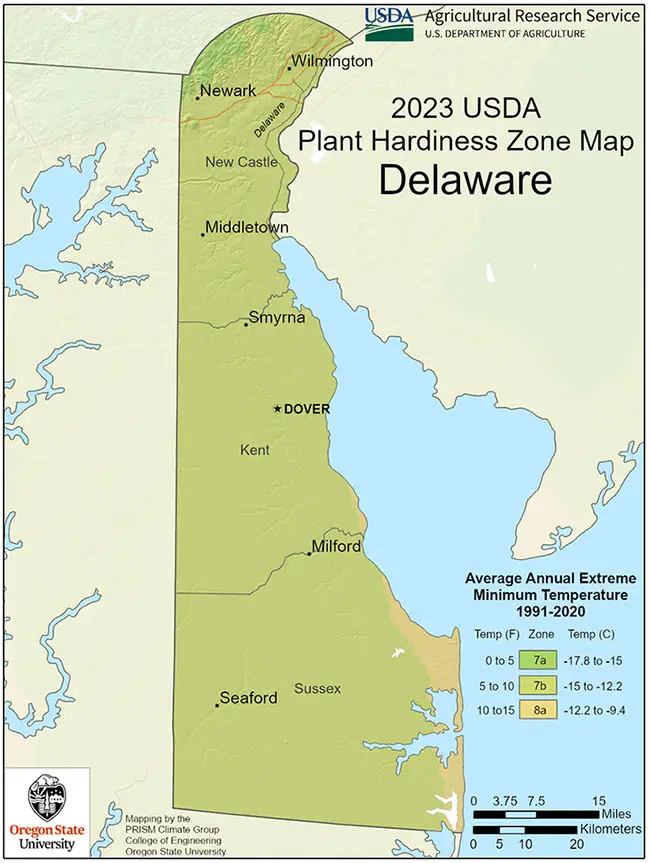
Delaware has seen temperature extremes, with the highest reaching 110°F (43°C) and the lowest plummeting to –17°F (–27°C). The USDA hardiness zones in Delaware encompass zones 7a to 7b.

Growing Palm Trees in Delaware

As is the case in many states with temperate and humid climates, cultivating palm trees in Delaware can be quite challenging without the aid of a microclimate.

It’s crucial to select robust and hardy palm species that can withstand varying conditions, and it’s wise to provide protection during cold spells to ensure their survival. Some of the palms that can be grown in Delaware are:

More Palm Trees»

Major Cities in Delaware

Wilmington – Hardiness Zone 7a
Similar Posts

  • Maine Palm Trees

    Palm trees are not suited for cultivation in the state of Maine due to its harsh winters. Maine features a humid continental climate characterized by warm and humid summers as well as extremely cold winters. In July, temperatures typically range from 75 to 80 °F (24–27 °C), while in January, they plummet to a chilly…

  • Pennsylvania Palm Trees

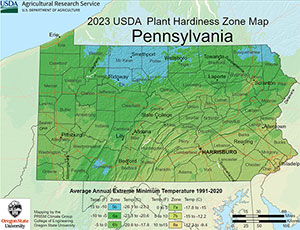
    Growing palm trees in Pennsylvania is tough because of its very cold winters. Pennsylvania occupies a humid continental zone, but its climate varies significantly due to diverse geographic features. The interior regions, closer to the mountains, experience a moderate humid continental climate characterized by cool to cold winters and hot, humid summers. These areas also…

  • New Hampshire Palm Trees

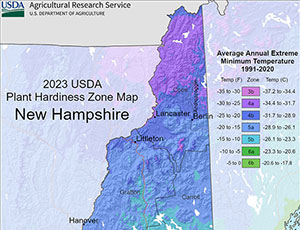
    New Hampshire is not a suitable place for palm trees due to its cold climate. The state experiences a humid continental climate characterized by cold and snowy winters, as well as warm and humid summers. In the southeastern part of the state, the influence of the Atlantic Ocean is felt. July sees average temperatures around…

  • Florida Palm Trees

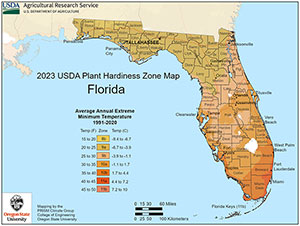
    Palm trees thrive in the warm, humid embrace of Florida’s climate. The state’s weather ranges from tropical to subtropical, featuring mild winters and scorching summers. In the northern part, temperatures typically hover between 65°F to 70°F (18°C to 21°C), while in the south, it’s a balmy 74°F to 77°F (23°C to 25°C). Despite the annual…

  • Utah Palm Trees

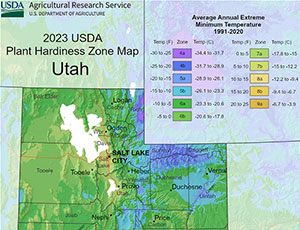
    In Utah, you can successfully cultivate cold-hardy palm trees that exhibit remarkable durability and adaptability to desert conditions. Utah boasts a semi-arid to arid climate, characterized by pleasant weather featuring warm summers and mild winters. Approximately 33% of the state comprises true desert areas, where winter temperatures typically average below 32°F during the winter months….

  • Nevada Palm Trees

    You can successfully cultivate palm trees in the warm regions of Nevada, which boasts a desert and semiarid climate characterized by a wide range of daily temperatures. Generally, the weather in Nevada is dry and sunny, with the southern region experiencing long, hot summers and short, mild winters. Moving westward, you’ll find short, hot summers…