Florida Palm Trees

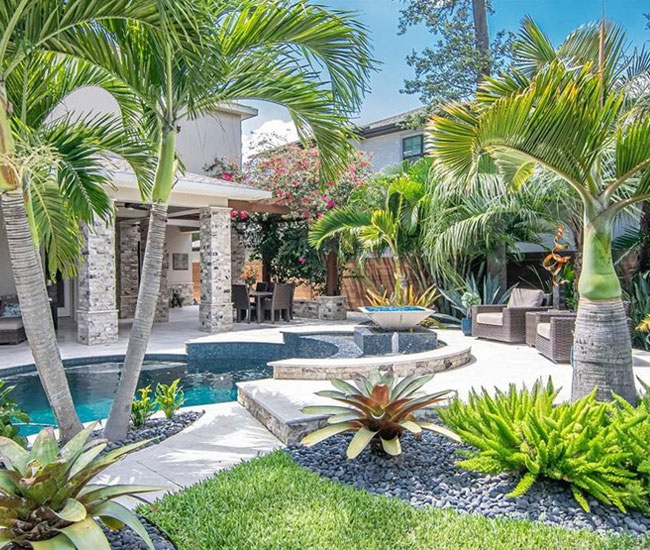
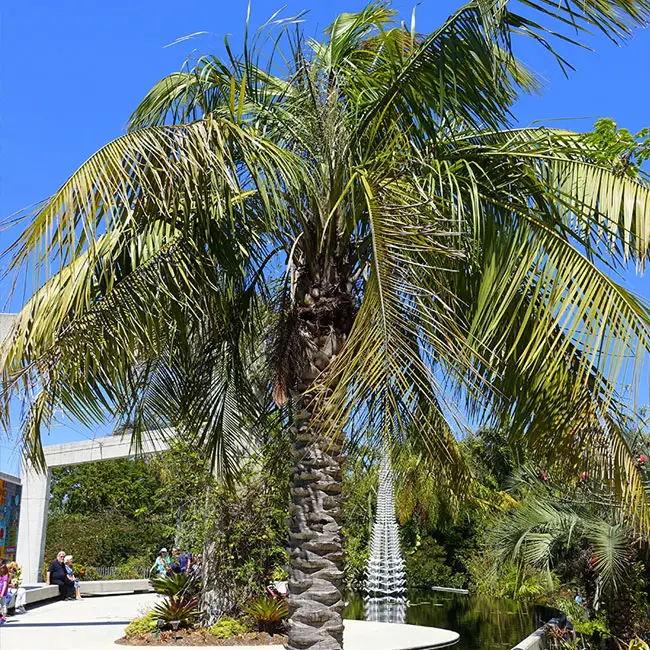
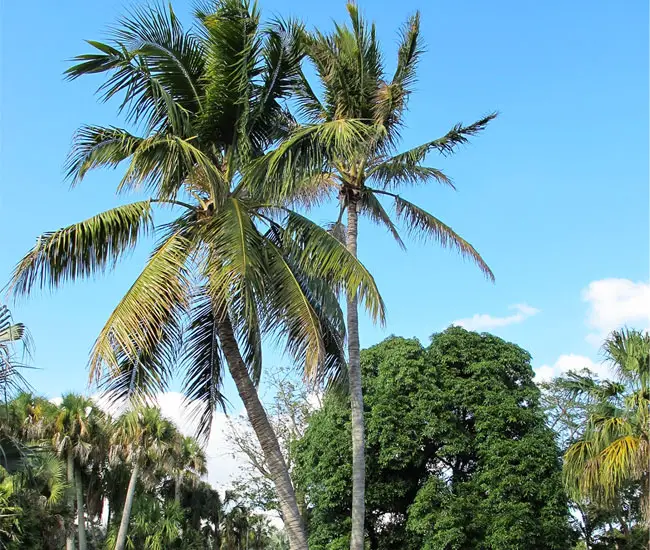
When someone mentions Florida, images of Blue Ocean, white sand, and beautiful Florida Palm Trees come to mind. Florida’s warm tropical climate makes it one of the best places in the world for growing palm trees. If you live in tropical climate like Florida the selection of palm trees you can plant in your garden is almost unlimited.

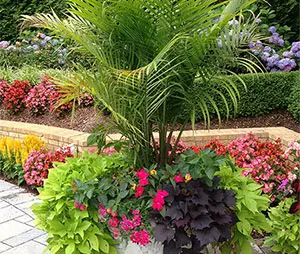
Palms make excellent landscape plants. Whether you want to frame a view or hide from your neighbors by creating a palm tree barrier, the variety of palms you can grow will astound you. With wide range of colors, sizes, and shapes, palms are a must have for a tropical garden.

With about 2,500 different species it’s not easy to find the best palm for your garden. In this article I list most popular Florida Palm Trees by their common name, so it’s easier for you to remember. I am also including their scientific name. You should be able to find these palms at your local nursery.

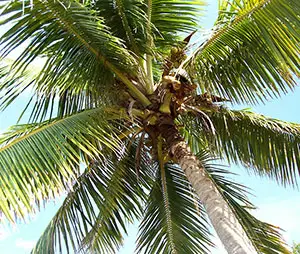
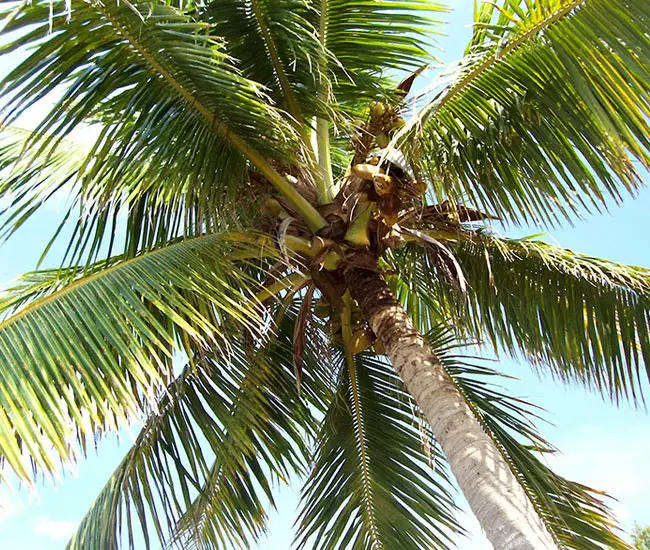
1. Coconut Palm - Cocos nucifera is one of the finest Florida Palm Trees. Mature Coconut Palm can produce 50-100 coconuts a year.

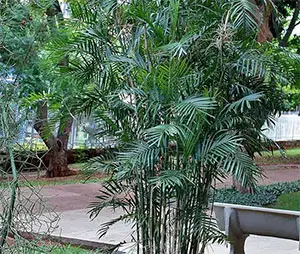
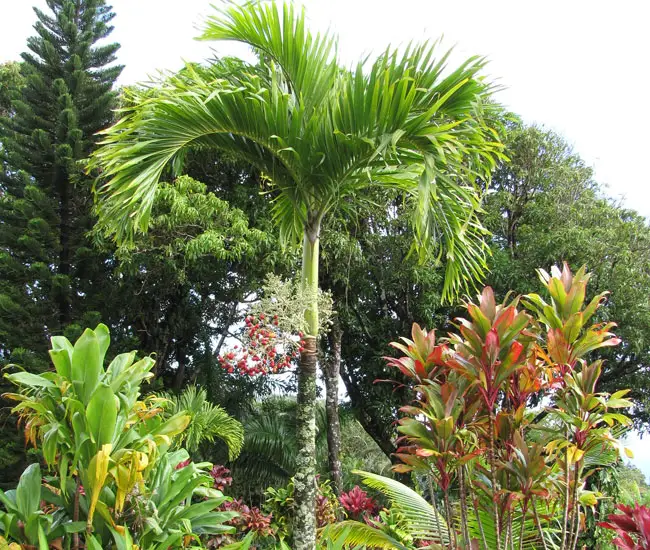
2. Areca Palm - Chrysalidocarpus lutescens has also been called yellow palm, butterfly palm, yellow butterfly palm, cane palm and golden feather palm.

3. Lady Palm - Rhapis excelsa. If you are looking for an indoor palm Lady Palm is a great choice. It will happily live under low light conditions or bright filtered light.

4. Majesty Palm - Ravenea rivularis. The Majesty Palm is a very shade tolerant palm that will reach 10' in height very quickly.

5. Sago Palm - Cycas revoluta. Sago Palm is a cycad. Cycads are known to be among the oldest plants on earth.

6. Royal Palm - Roystonea oleracea is popular in many warm, coastal landscapes, particularly in southern Florida and parts of California.

7. Queen Palm - Syagrus romanzoffiana is by far the most popular Florida Palm Tree. This inexpensive, elegant palm is a great addition to any tropical garden.

8.  Red Sealing Wax Palm - Cyrtostachys renda.  This palm has bright red crownshaft. It can grow up to 20ft and prefers full sun or partial shade.

9. Lady Palm - Rhapis excelsa. Lady palm is a slow growing palm that can reach 20ft. You can plant it outdoors or keep it in the pot indoors. It is very adaptable to wide range of climates.

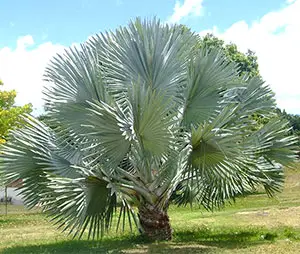
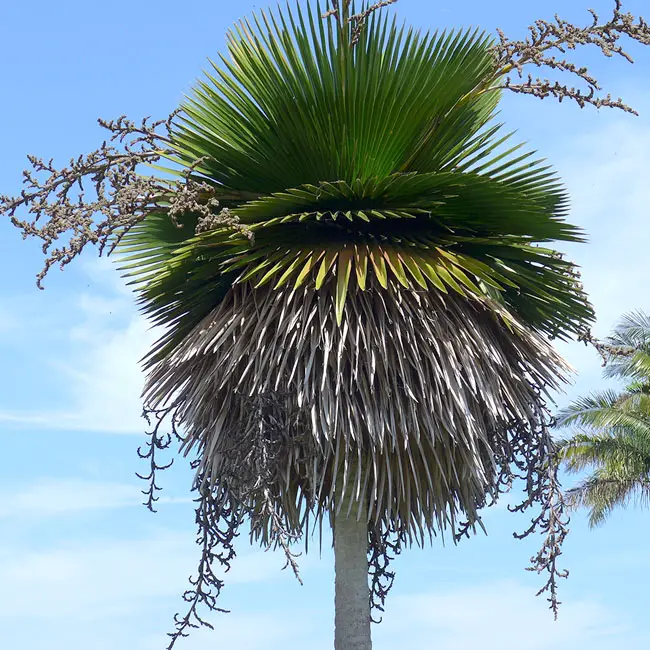
10. Bismarck Palm - Bismarckia nobilis. This fan palm with beautiful silver leaves is great for focal point. Bismarck Palm is very robust looking can grow up to 40ft tall and 20ft wide.

11. Carpentaria Palm - Carpentaria acuminata. This is one of the fastest growing palms can reach 40ft. It has smooth grey trunk with arching dark green fronds. Very popular in Florida landscapes.

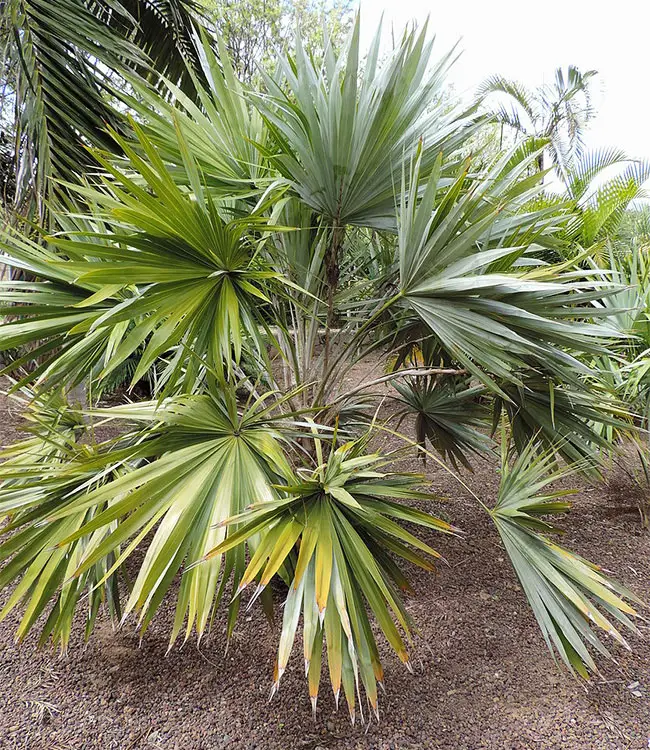
12. Chinese Fan Palm - Livistonia chinensis. This is slow growing palm that can reach 25ft. It can adapt to the wide variety of conditions. Drought tolerant, can survive cold down to 15F.

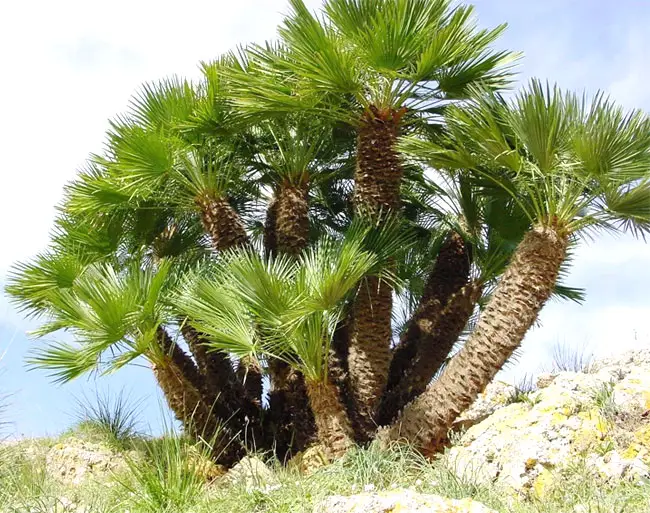
13. Saw Palmetto Palm - Serenoa repens. This is small bushy palm that can grow up to 8ft. I has saw tooth on the stems and that's why it is called "Saw Palmetto". It is very cod hardy and can survive cold down to 0F.

14. Paurotis Palm - Acoelorrhaphe wrightii. This palm is also known as Silver Saw Palmetto Palm. It can grow up to 25ft.

Palm Tree Help


I get a lot of emails from people that are experiencing problems with palm trees. I read all of them and try to respond as soon as possible, because I feel your pain and I know what it is like to feel completely lost looking at your favorite palm tree turning into a dry yellowish-brown monster. My goal is to help as many palm tree enthusiasts as I can.

Here is few palm tree problems that I was able to solve successfully.

Email #1: Leaves of my King Palm are turning brown! It is few months old. I got it 3 weeks ago. I am following the instructions, planted it in full sun and watering it every other day. What is wrong with my palm tree? Why is my King Palm turning brown?

Susan Brian: Is it new or the old fronds fronds turning brown? If it's new fronds then your tree might be in big trouble. Let's assume it is older fronds that are turning brown. I don't know where you live and what kind of soil you used, but from what you telling me it sounds like a combination of problems. You need to water a new planted palm every day for the first week and than every other day for the second. See if the soil is moist enough. Second, your tree is way to young to sit on the full sun in the middle of the summer. You probably burned all the leaves.

Create a cover. Take 4 sticks and put a plastic cover on top. Make few holes in the plastic every 2 weeks to allow more sun to get through. It will help to adjust your palm to a higher light levels. Keep in mind, your palm tree might be experiencing a "transplant shock". It takes few month for the palm to establish. Hope that helped. 

Email #2: Hi Susan. My palm tree is dying! I transplanted a double stem mature pygmy date palm, about 6ft tall into the earth in front of my home. Currently we are having a drought and I realized that the leaves on one of the stems started the wilt and droop very baldly. I cut away all of the drooping leaves and ensure that it getting an adequate supply of water daily. It doesn't have much leaves left!!! I also added some fertilizer spikes to the soil. I don't want to loose it, but I am concern if it will survive. HELP!

Susan Brian: Cutting all the drooping leaves was a huge mistake. You palm didn't like it. Drooping leaves usually means not enough water. It is very easy to find out by checking the moist level of your soil. Palm trees need to be deep watered, meaning that you need to water them for a longer period of time providing very little water. Instead of water it fast with a large amount of water. That way you give your soil enough time to absorb all the water. Since you have a drought it's is a good idea to add few inches of mulch to help the soil stay moist.

I am guessing your palm tree is getting full sun. Poor palm is not used to full sun since it's been growing indoors all these time. You need to cover it with a screen or a plastic to decrease the light levels. Stop fertilizing it. Let me know how it's doing.

Email #2: Hi! Last year i bought a MAJESTY PALM. Its a regular indoor palm. After a few months of living, the leaves of the plant started becoming brown and dying off. i did that root pruning/reporting and but the plant hasn't become better. It started as a very bushy plant and now has only 2 branches left. How can I salvage the plant?

Susan Brian: Majesty Palm is not the best choice for the indoor plant. Kentia Palm grows much better indoors. Majesty Palm cannot live in the pot for too long. Max few years. After that, it starts slowly declining. How old is your palm? I don't think that your palm liked root pruning. If you damage palm roots it might weaken the palm and give a great opportunity for the insects to attack.

Majesty Palm needs well drained soil. If you live in the warm climate you Majesty palm might do much better outside. But if you damaged root system too much transplanting it outside not going to help. Don't let it sit in the water. Keep reading my articles on how to plant and take care of palm trees.
--------------------------------------------------------------------------------------

I get a lot of "Help! My palm tree is dying!" emails. It is hard to tell by reading this kind of email what is going on with your palm. Here is information I need from you:

1. What kind of palm tree is it?
2. Where do you live? No need to tell me your address I am not coming over. Just tell me city and state so I have better understanding about soil, temperatures and etc.
3. How old is your palm tree?
4. How long did you have the palm tree for?
5. When did you notice it's not feeling well?
6. How much of the following your palm is getting: water, fertilizer, soil mix, sunlight?

I also would love to post your question and my answer on my web site. Let me know if I have your permission. Thanks a lot for writing!

Susan Brian

Palm Care Mistakes

 Palm Trees are very easy to grow but even easier to kill if you don't know what you are doing. Here are Top 10 Palm Care Mistakes palm tree enthusiasts make that can KILL your palm tree!

Top 10 Palm Care Mistakes

1. OVER-WATERING new planted palm. You will notice palm tree leaves turning brown or yellow and falling off quick without drying first. To avoid this mistake, you need to make sure palm soil has good drainage. You can do it by adding 30%-50% sand to the soil mix when you planting your palm. New planted palm tree should be watered every day for the first week. Don’t water it twice a day. Here is very useful article Watering Palm Trees.

2. NOT ENOUGH WATER. If you not providing you palm tree with enough water, tips of the leaves will start turning brown. Most of the palm trees like MOIST and WELL DRAINED soil. To find out if your palm tree getting enough water, check the moist level of the soil next day after watering. Soil should be moist down to the root of the palm tree. If you are not sure how to check the moist level, go here Watering Palm Trees.

3. ROOT DAMAGE. Adding fertilizer to the soil when planting a palm is a common mistake. This is almost guaranteed to kill your palm. Palm tree roots are very fragile and adding fertilizer so close to the root ball could damage it. Palm tree with damaged roots is more likely to get diseases and die. New planted palms should not be fertilized for the first 3-4 month. Give them some time to establish.

4. FERTILIZER BURN. Burning palm tree with a fertilizer by putting it too close to the trunk. It’s very easy to burn the palm tree trunk. Once trunk is damaged it is harder for the palm tree to battle with diseases. Keep a 2 feet distance from the trunk when fertilizing. More info about Fertilizing Palm Trees.

5. NOT FERTILIZING your palm tree. Your palm tree needs nutrients for healthy grows. We take vitamins every day to be healthy. Palm trees like us. They need their vitamins to get stronger, grow faster and fight with pests and diseases. You need to fertilize your palm trees during warm month 4 – 5 times a year. More info about Fertilizing Palm Trees.

6. BAD SOIL. Not providing palm tree with good soil. Good soil will allow palm tree root to develop properly, keep the moist so your palm gets enough water and provide good drainage. I always get asked - what is the best soil? Canadian peat moss. Cheap soil = poor results. No one asks me what is absolute worst soil you can buy, but I’ll tell you anyway - It is soil mix with fertilizer.

Every gardener I know said it killed everything in their garden. These days it’s hard to find good soil, because every soil has fertilizer added. I found two different types on the Amazon. That's what I would use to make sure my soil has excellent drainage:

7. WRONG CLIMATE. Planting palm tree in the climate that is too cold, too hot or too dry. Many gardeners buy palms without checking if they can grow in their climate zone. Tropical palm trees that like warm and humid weather don’t do well in the desert, with dry winds in the summer and cold temperatures in the winter.

Just get a different palm tree. There are so many cold hardy palms that can tolerate drought and cold weather. All you need to do, is to check what palms grow in your weather conditions. You can check it by going to Hardiness Zone Map.

8. SUNBURN. Planting very young palm tree in the full sun without providing a cover. Palm leaves will start turning yellow and might look colorless in some areas. If you don’t cover your palm, leaves will begin to dry and turn brown. If your palm tree is from greenhouse or shade-grown environment, it is NOT USED to full sun. You need to acclimatize it first. For acclimatizing instructions check this article Planting Palm Trees.

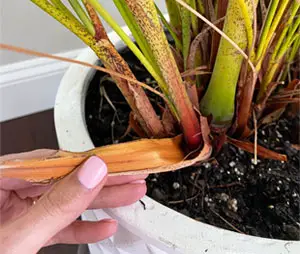
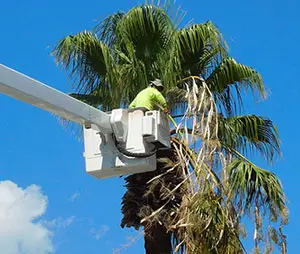
9. OVER-PRUNING. I keep seeing articles online that tell people if they cut brown part of the leaf it will save palm tree from wasting nutrients on the dying leaf. Makes sense right? Wrong. Palm trees need dying leaves for nutrients and when you cut off your palm tree doesn’t like it. Palms move nutrients from the older fronds to the new growth. Palm fronds should be cut when they are as close as possible to the trunk. Do NOT remove any fronds that grow at 45 degree angle or greater. If your palm tree looks like a rooster tail, you over-pruned it.

10. HURRICANE PRUNING. It is not unusual during hurricane season in Florida to get a knock on the door by a team of palm tree professionals, offering to prune your palms. They might say, removing extra weight from your palm tree will save it during hurricane. Makes sense right? Wrong. Your palm trees need all leaves they can get to protect the new growing fronds from wind.

I think this covers the most common mistakes. I hope you find this article useful. Let me know if you would like to share your experience or have good tips to add to Palm Care Mistakes. Have a great day!

Susan :)

Watering Palm Trees

Watering Palm Trees the right way is very important. Most of the Palm Trees like moist and well drained soil. Easier said than done. A lot of palm tree enthusiasts over water their palms or don't provide enough water, because they don't know how to check the moist level of the soil.

They have no idea how much water their palm needs and how often to water it.

So in these post I answer all the watering questions you might have.
  • HOW MUCH water do Palm Trees need
  • How often should you water a NEW PLANTED Palm Tree
  • What is the BEST TIME for watering your Palm Trees
  • How to check MOIST LEVELof the soil
  • Why do you need to DEEP WATERING your Palm Trees
  • Are you OVER WATERING your Palm Tree

1. HOW MUCH water does my Palm Tree need?

Here is a rule you should use when watering your Palm Trees. If it's a 10 gallon container palm tree, then use 10 gallons of water. If it's a 25 gallon container, then use 25 gallons of water. During hot weather use a little bit more, during cold waether a little less. You should understand, that it really depends on the palm tree type and on the type of soil. Always check the soil to make sure it's moist and adjust your water amount if needed.

2. How often should I water my NEW PLANTED Palm Tree?

You should water your new planted Palm Tree every day for the first week, every other day for the second week and then switch to 3 times a week. Palm Tree soil should be moist.

Established Palm Tree needs watering 2-3 times a week. Adjust your watering depending on the season. Palm Trees grow more during warm months and slow down during cold months. Watering once a week in the winter should be enough.

3. What it the BEST TIME for watering my Palm Tree?

You should water your Palm tree early in the morning or late in the evening when it's not too hot. Why? Because if you water your palm tree in the middle of the hot summer day, when the temperature is around 100F, and get the water on the palm tree frond it will fry the leaves.

When you going tanning, you put oil all over your body to maximize the result. The water on the leaves works the same way oil works on your skin. That's why watering your palm in the middle on the hot day can result in leaf burn.

Mist or hose your palm to clean up all the dust on the leaves, but do it in the cooler time of the day. After you figure out how long to water and how much water your Palm tree needs, it's is a great idea to get a sprinkler system with a timer.


There are a lot of gardeners that forget to turn off their sprinklers and it greats a flooding around their house.

4. How to check the MOIST LEVEL of the soil?

I use soil probe. You can use a screwdriver if you don't have a soil probe. Take a soil probe and push into the ground as far as it can go, twist it and pull it out. If the soil is too dry, the probe will stop. Feel the soil.

If it's moist you don't need to water more. Check to see how far the root extends. You don't need to water deeper than that because roots can not get to the water below the root depth.


Check to see how long the soil stays moist after you water. If the soil is wet do NOT water your palm. It is very easy to over water. For the best result DEEP water your palm.

5. What is DEEP watering?

Let's say you have 20 gallon Palm tree that needs 20 gallons of water. You can water your palm two ways. First way is to take all 20 gallons of water and dump it around your palm tree in 2 minute. The water will simply runoff and palm tree roots will not get enough.

It takes time for the soil to absorb water. The second way to water your palm tree is to slow drip 20 gallons of water over the course of 1 hour. If you have a sprinkler system with a timer, that is what I would highly recommend, water your palm treem for 30 min, turn the water off, let it soak into the ground for 30 min, then resume watering for the remaining 30 min.

This should not only water the top of the soil but also get few inches deep into the ground. It all depends on the soil type. Check with the soil probe.

Note: You don't need to water your palm when it's raining. In case, you didn't know. Turn OFF your sprinkler system when it's raining. 

I hope you find this article useful. Let me know if you would like to share your experience or have good tips for Watering Palm Trees. Have a great day!

Susan

Florida Palm Trees - Red Sealing Wax Palm

Common Name: Red Sealing Wax Palm, Lipstick Palm
Scientific Name: Cyrtostachys renda
Growth Rate: Moderate
Height: up to 20ft
Light Req: full sun to partial shade
Water Req: moderate
Cold Tolerance: down to 40F

The scientific name for the Red Sealing Wax Palm is - Cyrtostachys renda. Red Sealing Wax Palm is known for its bright red crown shafts. This colorful, medium sized, slow-growing palm is native to Malaysia and the island of Sumatra.

It has pinnate (feather shape), dark green leaves. Leaflets are stiff and neatly arranged. The fruit are small, black, and oblong. Sometimes the red stem color range from orange to yellow.

This ornamental palm grows up to 16 to 20 feet high. It is one of the most beautiful and sought-after palms in the world. Red Sealing Wax Palm prefer rich, moist, loamy soils. Tricky to grow, the sealing wax palm needs high humidity, well-drained soil, and is not tolerant of drought or wind. It grows well in both full sun and part shade. As they naturally grow in swamps, they are highly tolerant of flooding and can be grown in standing water.

The propagation of red sealing wax palm is through seeds. Seeds are very slow to germinate. Fresh seeds germinate much more quickly, but will take 2-4 months to germinate. Young plants stay small (a few inches tall) for perhaps 3 years, then begin to grow slowly. The plant should be fed monthly with a commercial tropical plant food. It is suitable for tropical outdoor sunny or shady positions.

It is not hardy, surviving only brief temperature drops into the 40's. Ideal year-round temperatures range from 75-85F.It has no major pests or disease problems.


If you enjoy reading my articles, please help me to promote Florida Palm Trees site by social bookmarking it. I hope you have a wonderful day :)

Susan

What is your favorite Florida Palm Tree?

Tropical Fruits
Tropical Fruits
Tropical Fruits
Tropical Fruits