Hawaii Palm Trees

With consistently delightful tropical weather year-round, Hawaii offers an ideal environment for cultivating a wide variety of palm trees. The state boasts a tropical climate marked by hot summers and warm winters.

Summer temperatures typically range from 85-90°F (29-32°C), while in the winter months, they remain pleasantly mild, hovering between 79-83°F (26-28°C).

Hawaii experiences abundant rainfall and winds. Interestingly, even the state’s three highest mountains occasionally receive snowfall during the winter months.

While the hurricane season runs from June through November, it’s worth noting that Hawaii is seldom directly impacted by true hurricanes. Instead, the state is more frequently affected by tropical storms originating off the coast of Mexico.

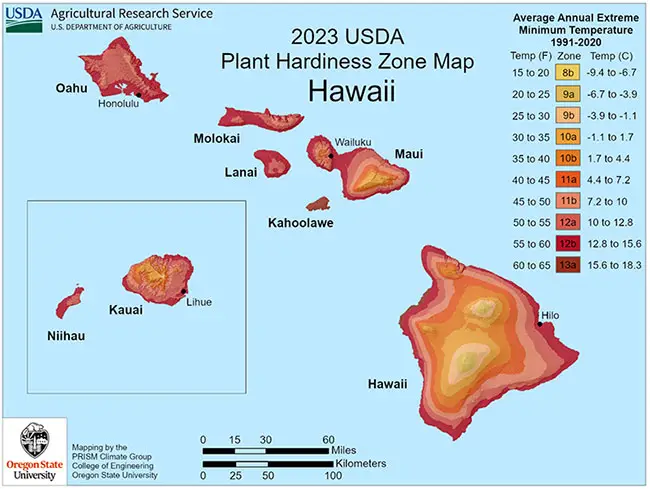
The USDA hardiness zones in Hawaii encompass a broad range, extending from 9a to 13a.

Growing Palm Trees in Hawaii

Because Hawaii enjoys consistently warm weather, the possibilities for palm tree varieties to grow there are virtually endless. Here are some of the palm trees that can successfully grow in Hawaii:

More Palm Trees»

Major Cities in Hawaii

  • Honolulu – Hardiness Zone 11a

Similar Posts

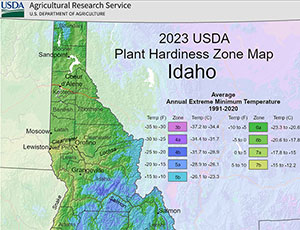
  • Idaho Palm Trees

    In some of Idaho’s warmer regions, you can indeed cultivate cold-hardy palm trees. Idaho’s climate is decidedly continental, marked by hot summers and harsh winters. In Boise city, for example, you can expect an average temperature of 29°F (–2°C) in January and a balmy 74°F (23°C) in July. Generally, the state experiences low humidity levels….

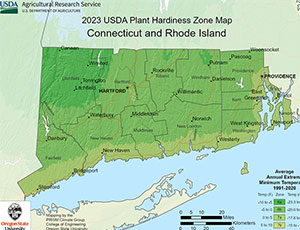
  • Rhode Island Palm Trees

    Rhode Island’s climate is not conducive to palm trees, as it experiences cold temperatures throughout the year. The state features a humid continental climate characterized by chilly winters and brief, rainy summers. Summers are relatively warm, with average July temperatures around 73°F (23°C), while winters are cold, with an average January temperature of 28°F (–2°C)….

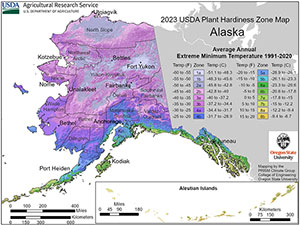
  • Alaska Palm Trees

    You might be surprised to learn that palm trees can indeed thrive in the state of Alaska. While many assume that Alaska’s summer temperatures are consistently cool, the truth is that the state experiences all four seasons. Summers can see temperatures soaring into the 90s°F, while winter temperatures plummet below an astonishing -60°F (-52°C). Given…

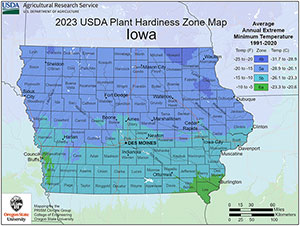
  • Iowa Palm Trees

    Iowa presents a challenging environment for palm tree cultivation, as it is generally too cold for these tropical plants. Even the most cold-hardy palm varieties can only endure the colder temperatures found in zone 7 and higher. Iowa’s climate is characterized as humid continental, featuring wet springs, hot summers, and cold winters, with significant annual…

  • Connecticut Palm Trees

    While Connecticut may not be the palm tree paradise, there’s still hope for cold-hardy palm enthusiasts in zone 7. Connecticut’s climate is a blend of humid continental and humid subtropical, featuring hot and dry summers with average temperatures ranging from 81°F (27°C) to 87°F (31°C). Winters, on the other hand, can be chilly, with average…

  • Mississippi Palm Trees

    You can successfully cultivate palm trees in the warmer regions of Mississippi, which enjoys a humid subtropical climate characterized by short, mild winters and long, scorching summers. The summertime here can be quite humid, with an average July temperature soaring to about 95°F (approximately 35°C). On the other hand, January ushers in milder weather, with…

One Comment

  1. What’s the difference between Hawaii’s palms and Florida’s palm trey

Comments are closed.