Rhode Island Palm Trees

Rhode Island’s climate is not conducive to palm trees, as it experiences cold temperatures throughout the year. The state features a humid continental climate characterized by chilly winters and brief, rainy summers.

Summers are relatively warm, with average July temperatures around 73°F (23°C), while winters are cold, with an average January temperature of 28°F (–2°C). Rhode Island also contends with an annual snowfall averaging 37 inches (94 cm) and faces threats from blizzards, hurricanes, and storms.

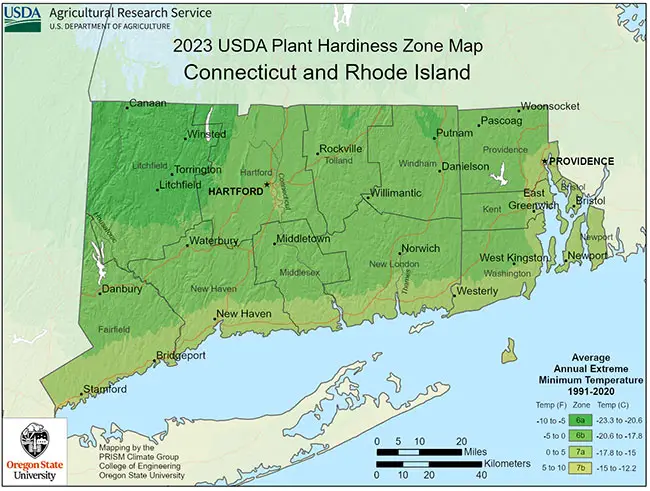
The state’s temperature extremes include a highest recorded temperature of 104°F (40°C) and a lowest of –23°F (–31°C). Rhode Island’s USDA hardiness zones encompass a range from 5b to 7a.

Growing Palm Trees in Rhode Island

While there are a few areas in Rhode Island that fall within zone 7a, even cold-hardy palms may struggle to survive the winter there. It’s not just about the cold temperatures but also the duration of cold spells.

Many cold-hardy palm trees can withstand very low temperatures but only for a short period of time, making them ill-suited for Rhode Island’s prolonged winter conditions. Here are some palm trees that can grow in zone 7:

More Palm Trees»

Major Cities in Rhode Island

Cranston – Hardiness Zone 6b
Providence – Hardiness Zone 6b
Warwick – Hardiness Zone 6b
Similar Posts

  • Minnesota Palm Trees

    Minnesota’s climate isn’t exactly palm tree-friendly. The state boasts a continental climate, featuring warm summers and frigid winters. Summers vary from hot and humid to warm and less muggy, with average July temperatures ranging between 61°F (16°C) and 76°F (24°C), depending on your location. Meanwhile, January brings chilly temperatures that hover between 3°F(−16°C) and 18°F…

  • Massachusetts Palm Trees

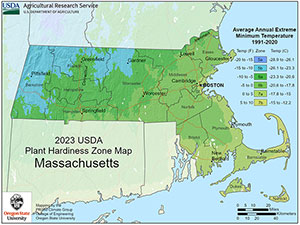
    Cultivating palm trees in Massachusetts is a challenging endeavor, primarily due to the state’s limited zone 7 area and the daunting winter storms it often faces. Massachusetts boasts a continental climate marked by cold, snowy winters and warm, humid summers. In January, average temperatures dip to around 22°F (–6°C), while July ushers in a milder…

  • Alabama Palm Trees

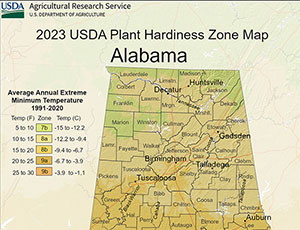
    Alabama offers a welcoming environment for numerous cold-hardy palm tree varieties. The state enjoys a warm and humid climate heavily influenced by the Gulf of Mexico, classified as humid subtropical. Alabama experiences scorching summers and mild winters. Summer average temperatures hover around 90°F (32°C), while winter temperatures settle at approximately 34°F (1°C). The southern part…

  • Florida Palm Trees

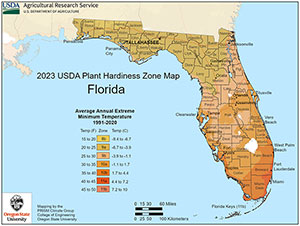
    Palm trees thrive in the warm, humid embrace of Florida’s climate. The state’s weather ranges from tropical to subtropical, featuring mild winters and scorching summers. In the northern part, temperatures typically hover between 65°F to 70°F (18°C to 21°C), while in the south, it’s a balmy 74°F to 77°F (23°C to 25°C). Despite the annual…

  • Ohio Palm Trees

    Ohio’s climate is generally too cold to support the growth of palm trees. The state primarily experiences a humid continental climate, with some southern areas featuring a humid subtropical climate. Summers in Ohio are characterized by heat and humidity, with average July temperatures ranging from 72 to 76°F (22 to 24°C). In contrast, winters tend…

  • South Dakota Palm Trees

    South Dakota’s climate is far from suitable for growing palm trees due to its extreme cold. The state boasts a continental climate marked by hot semi-humid summers and bitterly cold winters. Average July temperatures typically span from 74°F to 80°F (23°C to 26°C), while January brings frigid temperatures ranging from 15°F to 25°F (-9°C to…