Hawaii Palm Trees

With consistently delightful tropical weather year-round, Hawaii offers an ideal environment for cultivating a wide variety of palm trees. The state boasts a tropical climate marked by hot summers and warm winters.

Summer temperatures typically range from 85-90°F (29-32°C), while in the winter months, they remain pleasantly mild, hovering between 79-83°F (26-28°C).

Hawaii experiences abundant rainfall and winds. Interestingly, even the state’s three highest mountains occasionally receive snowfall during the winter months.

While the hurricane season runs from June through November, it’s worth noting that Hawaii is seldom directly impacted by true hurricanes. Instead, the state is more frequently affected by tropical storms originating off the coast of Mexico.

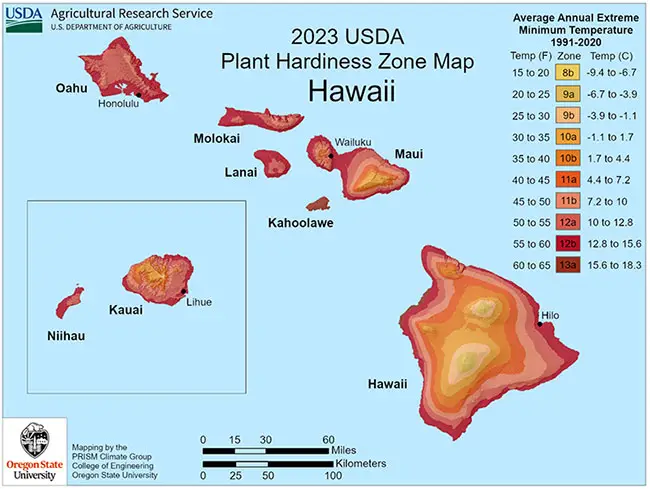
The USDA hardiness zones in Hawaii encompass a broad range, extending from 9a to 13a.

Growing Palm Trees in Hawaii

Because Hawaii enjoys consistently warm weather, the possibilities for palm tree varieties to grow there are virtually endless. Here are some of the palm trees that can successfully grow in Hawaii:

More Palm Trees»

Major Cities in Hawaii

  • Honolulu – Hardiness Zone 11a

Similar Posts

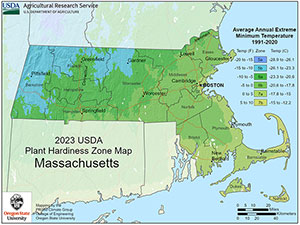
  • Massachusetts Palm Trees

    Cultivating palm trees in Massachusetts is a challenging endeavor, primarily due to the state’s limited zone 7 area and the daunting winter storms it often faces. Massachusetts boasts a continental climate marked by cold, snowy winters and warm, humid summers. In January, average temperatures dip to around 22°F (–6°C), while July ushers in a milder…

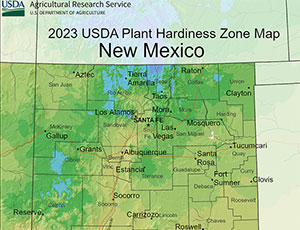
  • New Mexico Palm Trees

    You can successfully cultivate palm trees in New Mexico. The state’s climate varies from arid to semiarid, characterized by brief, mild winters and hot, dry summers. In January, average temperatures range from 35-55°F (2-13°C), with freezing temperatures common during winter. July brings average temperatures ranging from 78-92°F (26-33°C), with frequent occurrences of temperatures exceeding 100°F…

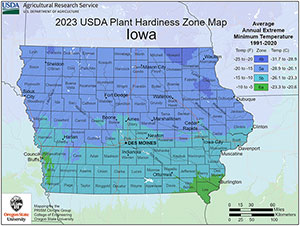
  • Iowa Palm Trees

    Iowa presents a challenging environment for palm tree cultivation, as it is generally too cold for these tropical plants. Even the most cold-hardy palm varieties can only endure the colder temperatures found in zone 7 and higher. Iowa’s climate is characterized as humid continental, featuring wet springs, hot summers, and cold winters, with significant annual…

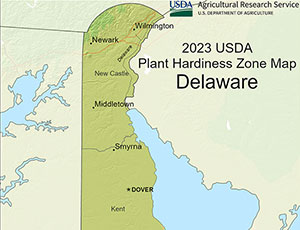
  • Delaware Palm Trees

    Delaware might not be the ideal locale for growing palm trees, primarily due to its temperate and humid climate with a limited number of sunny days. The state experiences a climate that’s a mix of humid subtropical and continental, heavily influenced by the Atlantic Ocean. Southern Delaware enjoys a milder climate compared to the northern…

  • Maryland Palm Trees

    While Maryland experiences cool winters overall, there are specific regions where palm trees can thrive. Maryland boasts a humid subtropical climate influenced by the Atlantic Ocean, featuring hot and humid summers with an average July temperature of 77°F (25°C) and cool winters with an average January temperature of 33°F (1°C). The annual snowfall varies significantly,…

  • Maine Palm Trees

    Palm trees are not suited for cultivation in the state of Maine due to its harsh winters. Maine features a humid continental climate characterized by warm and humid summers as well as extremely cold winters. In July, temperatures typically range from 75 to 80 °F (24–27 °C), while in January, they plummet to a chilly…

One Comment

  1. What’s the difference between Hawaii’s palms and Florida’s palm trey

Comments are closed.