Month: July 2011

  • Colorado Palm Trees

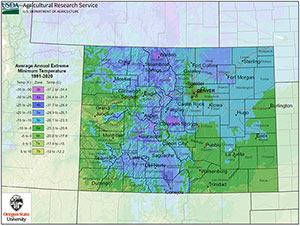
    Colorado presents a significant challenge for anyone thinking of cultivating palm trees, given its frigid climate and diverse geography. The state comprises mountains, foothills, high plains, and desert lands, resulting in a semi-arid to alpine climate that varies with elevation. Extreme weather is par for the course in Colorado. Winters are bitterly cold and snow-laden,…

  • California Palm Trees

    Growing palm trees in California is a breeze, especially if you’re situated in the warmer regions. California’s climate spans the gamut from arid to subarctic, featuring dry summers and rainy winters. In July, temperatures across the state average between 75°F (24°C) and 93°F (34°C), varying by location. Come January, you can expect average temperatures to…

  • Arizona Palm Trees

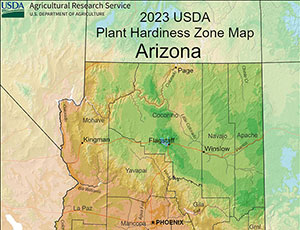
    While palm trees are typically associated with tropical climates, some hardy varieties can endure the arid desert conditions found in Arizona. Selecting the right palms for your Arizona landscape can indeed be a challenge. This vast state is predominantly desert, characterized by scorching summers and mild winters, and it sees minimal rainfall. During winter, temperatures…

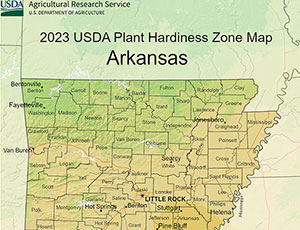
  • Arkansas Palm Trees

    Despite Arkansas’ reputation for extreme weather, it is possible to cultivate palm trees in the state. Arkansas boasts a subtropical climate characterized by hot, humid summers and relatively colder, drier winters. Summers see average temperatures in the low 90s, accompanied by high humidity levels, while winters tend to linger in the low 50s. Throughout a…

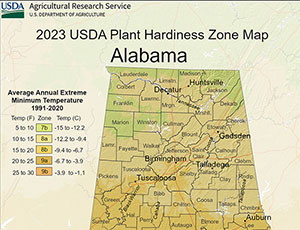
  • Alabama Palm Trees

    Alabama offers a welcoming environment for numerous cold-hardy palm tree varieties. The state enjoys a warm and humid climate heavily influenced by the Gulf of Mexico, classified as humid subtropical. Alabama experiences scorching summers and mild winters. Summer average temperatures hover around 90°F (32°C), while winter temperatures settle at approximately 34°F (1°C). The southern part…

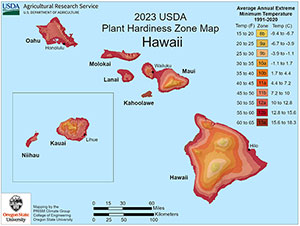
  • Hawaii Palm Trees

    With consistently delightful tropical weather year-round, Hawaii offers an ideal environment for cultivating a wide variety of palm trees. The state boasts a tropical climate marked by hot summers and warm winters. Summer temperatures typically range from 85-90°F (29-32°C), while in the winter months, they remain pleasantly mild, hovering between 79-83°F (26-28°C). Hawaii experiences abundant…

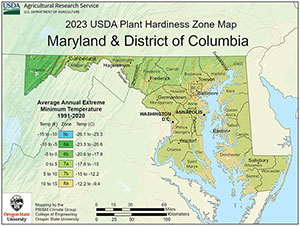
  • Washington DC Palm Trees

    Washington DC boasts a humid subtropical climate with distinctive seasonal variations. Winters are relatively cool, featuring an average temperature of 38°F (3.3°C) in January, while summers can be hot and humid, with an average temperature of 79.2°F (26.2°C). Winter in the district typically witnesses an annual snowfall averaging 14.7 inches (37cm), while summers bring frequent…

  • Alaska Palm Trees

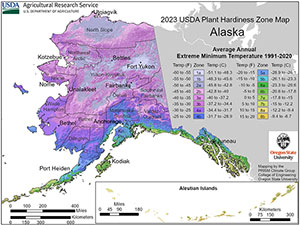
    You might be surprised to learn that palm trees can indeed thrive in the state of Alaska. While many assume that Alaska’s summer temperatures are consistently cool, the truth is that the state experiences all four seasons. Summers can see temperatures soaring into the 90s°F, while winter temperatures plummet below an astonishing -60°F (-52°C). Given…