Montana Palm Trees

Montana, one of the states notorious for its frigid climate, isn’t exactly the ideal locale for palm tree cultivation. This vast state can be categorized into two distinct climatic regions: semi-arid and continental. Its average January temperature hovers at 27°F (–2°C), while July brings an average temperature of 85°F (29°C).

Winters here can be exceptionally cold, with most major cities receiving an annual snowfall of 30 to 50 inches (760 to 1,300 mm).

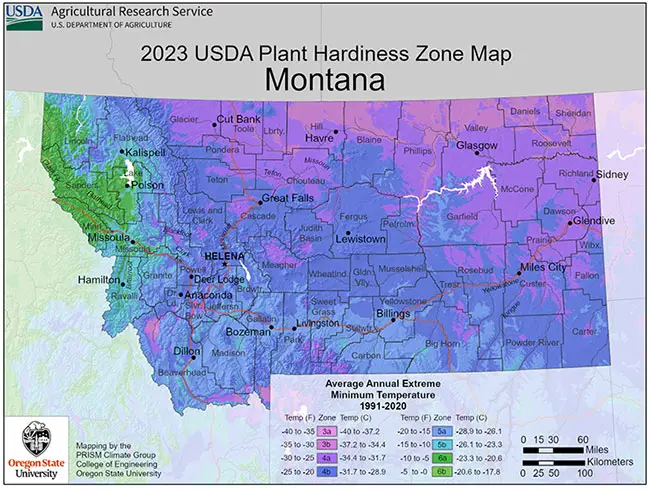
The temperature extremes in Montana have reached a sweltering 117°F (47°C) at its warmest and a bone-chilling –70°F (–57°C) at its coldest. Montana’s USDA hardiness zones span from 3a to 6a.

Growing Palm Trees in Montana

Taking a closer look at the hardiness zone map, it’s evident that zone 6a is quite elusive in Montana. Most of the state is actually in zones 3b and 4a, which are way too chilly for palm trees to thrive.

So, if you really want those palm tree vibes in your yard, the smart move is to grow them indoors in containers and let them soak up the sunshine outside during the warmer summer months.

That way, you can have your garden graced by palm trees for a few months each year. Some great indoor palms are:

More Palm Trees»

Major Cities in Montana

Billings – Hardiness Zone 4a
Butte – Hardiness Zone 3a
Glendive – Hardiness Zone 3a
Great Falls – Hardiness Zone 4a
Helena – Hardiness Zone 3b
Missoula – Hardiness Zone 5b
Similar Posts

  • Delaware Palm Trees

    Delaware might not be the ideal locale for growing palm trees, primarily due to its temperate and humid climate with a limited number of sunny days. The state experiences a climate that’s a mix of humid subtropical and continental, heavily influenced by the Atlantic Ocean. Southern Delaware enjoys a milder climate compared to the northern…

  • California Palm Trees

    Growing palm trees in California is a breeze, especially if you’re situated in the warmer regions. California’s climate spans the gamut from arid to subarctic, featuring dry summers and rainy winters. In July, temperatures across the state average between 75°F (24°C) and 93°F (34°C), varying by location. Come January, you can expect average temperatures to…

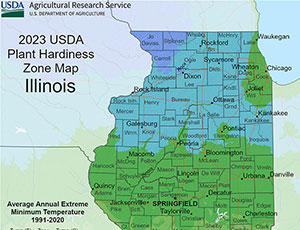
  • Illinois Palm Trees

    You can give palm tree growing a shot in zone 7a, especially near the Kentucky border where the climate leans closer to humid subtropical. Illinois, however, is more on the temperate side. Summers here get hot and humid, with average temperatures ranging from 70°F (21°C) to 77°F (25°C), while winters can be cool to downright…

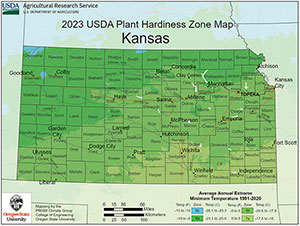
  • Kansas Palm Trees

    Kansas is not conducive to palm tree cultivation due to its predominantly cold climate. The state of Kansas experiences three distinct climate types: humid subtropical, humid continental, and semi-arid steppe. Depending on the region, summers can be either hot and humid or hot and dry, with July maximum temperatures ranging from 91°F (32°C) to 93°F…

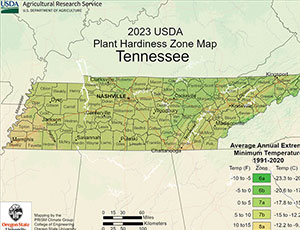
  • Tennessee Palm Trees

    Growing palm trees in Tennessee poses a considerable challenge due to its cold winters. The state’s climate varies, encompassing a humid subtropical climate in some areas and a humid continental climate in others. Summers tend to be hot and humid, with average July temperatures hovering around 90°F (32°C). Winters, while generally mild to cool, feature…