Oklahoma Palm Trees

You can grow cold-hardy palm trees in the warm regions of Oklahoma. The state features a humid subtropical climate characterized by hot summers and cold winters.

The average January temperature is 36°F (2°C), while the average July temperature is 82°F (27°C). Oklahoma experiences an annual snowfall of approximately 8.6 inches (21.8 cm). It’s worth noting that Oklahoma is known for its strong winds and frequent tornadoes. During the summer, it’s common to have 100-degree days.

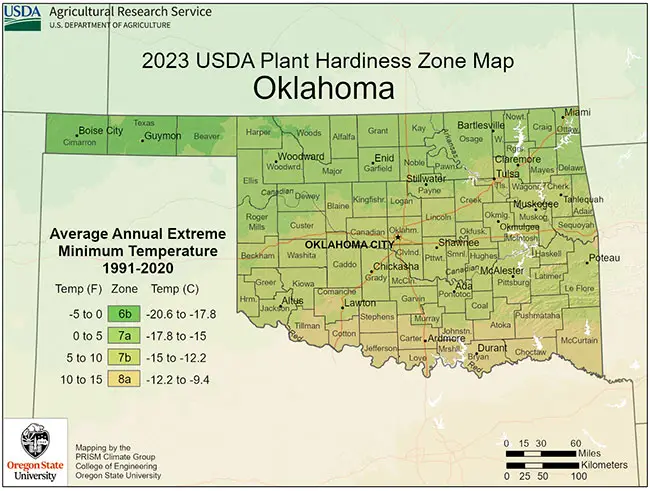
The state has recorded its highest temperature at 113°F (45°C) and its lowest at −17°F (−27°C). USDA hardiness zones in Oklahoma span from 6a to 8a.

Growing Palm Trees in Oklahoma

While Oklahoma may not be the most ideal place for growing palm trees, the good news is that there are some cold-hardy palm species that can withstand temperatures as low as 0°F and can be successfully grown in zone 7 and higher. Here are some of palms that will grow in Oklahoma:

More Palm Trees»

Major Cities in Oklahoma

Lawton – Hardiness Zone 7a
Norman – Hardiness Zone 6b
Oklahoma City – Hardiness Zone 7a
Tulsa – Hardiness Zone 6b
Similar Posts

  • Massachusetts Palm Trees

    Cultivating palm trees in Massachusetts is a challenging endeavor, primarily due to the state’s limited zone 7 area and the daunting winter storms it often faces. Massachusetts boasts a continental climate marked by cold, snowy winters and warm, humid summers. In January, average temperatures dip to around 22°F (–6°C), while July ushers in a milder…

  • Louisiana Palm Trees

    There are numerous palm tree varieties that thrive in the state of Louisiana, thanks to its accommodating climate. Louisiana boasts a humid subtropical climate heavily influenced by the Gulf of Mexico. Summers are characterized by scorching heat and high humidity, with an average July temperature hovering around 82°F (28°C). Winters, on the other hand, are…

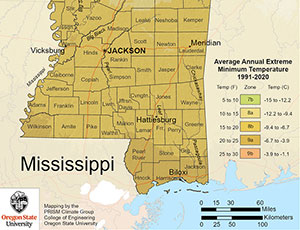
  • Mississippi Palm Trees

    You can successfully cultivate palm trees in the warmer regions of Mississippi, which enjoys a humid subtropical climate characterized by short, mild winters and long, scorching summers. The summertime here can be quite humid, with an average July temperature soaring to about 95°F (approximately 35°C). On the other hand, January ushers in milder weather, with…

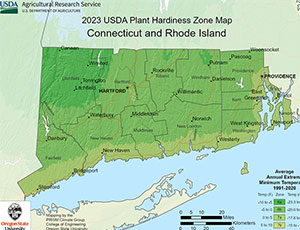
  • Rhode Island Palm Trees

    Rhode Island’s climate is not conducive to palm trees, as it experiences cold temperatures throughout the year. The state features a humid continental climate characterized by chilly winters and brief, rainy summers. Summers are relatively warm, with average July temperatures around 73°F (23°C), while winters are cold, with an average January temperature of 28°F (–2°C)….

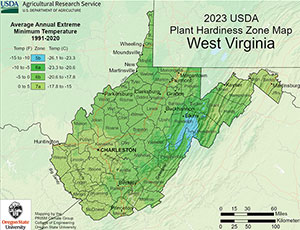
  • West Virginia Palm Trees

    Growing palm trees in West Virginia can be quite challenging unless you create a special environment. West Virginia has a mix of climates, including a humid continental climate and some parts with a humid subtropical climate. Summers here are humid and warm to hot, with July temperatures typically ranging from 67 °F (19 °C) to…

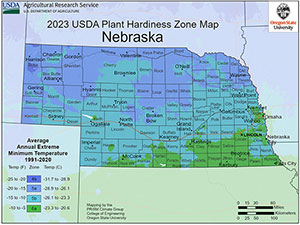
  • Nebraska Palm Trees

    Nebraska, being a predominantly cold state, is not favorable to the cultivation of palm trees. It is geographically divided into two distinct climatic regions: the eastern half of the state experiences a humid continental climate, while the western half is characterized by a semi-arid climate. Summers here tend to be hot, with an average July…