Maine Palm Trees

Palm trees are not suited for cultivation in the state of Maine due to its harsh winters. Maine features a humid continental climate characterized by warm and humid summers as well as extremely cold winters. In July, temperatures typically range from 75 to 80 °F (24–27 °C), while in January, they plummet to a chilly 0-32 °F (−18 – 0 °C).

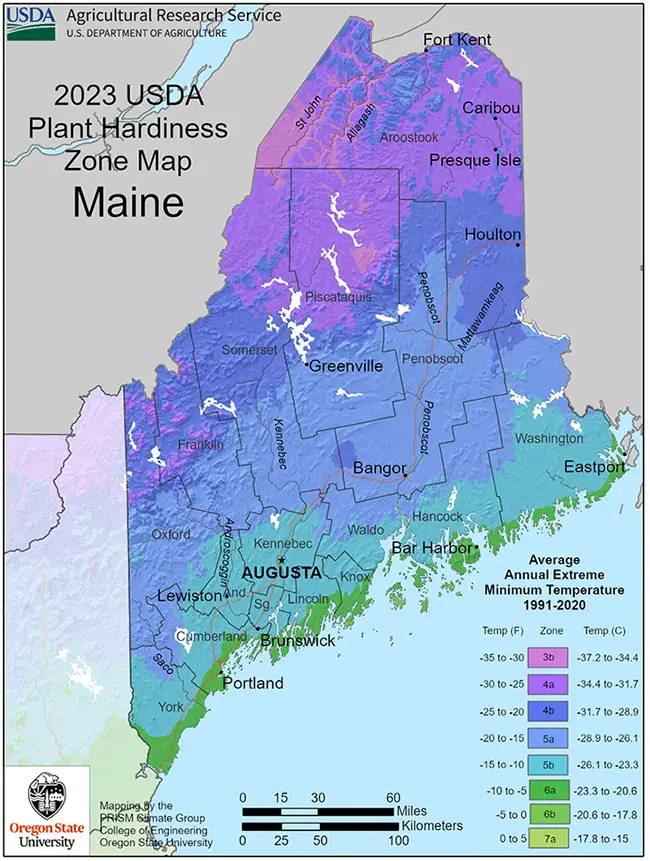
Extreme temperature fluctuations are evident in the state, with the highest recorded temperature reaching 105 °F (41 °C) and the lowest plummeting to a bone-chilling -50 °F (−46 °C). Unlike some regions, Maine does not experience hurricanes or tropical storms. Its USDA hardiness zones range from 3b to 6a.

Growing Palm Trees in Maine

Unfortunately, the climate in Maine is simply too cold to support the growth of palm trees. However, an alternative option is to cultivate palm trees indoors in containers and bring them outdoors during the summer months.

This way, you can enjoy the presence of palm trees in your garden for a few months each year. Some great indoor palms are:

More Palm Trees»

Major Cities in Maine

Bangor – Hardiness Zone 5a
Portland – Hardiness Zone 5a
Presque Isle – Hardiness Zone 3b
Similar Posts

  • Ohio Palm Trees

    Ohio’s climate is generally too cold to support the growth of palm trees. The state primarily experiences a humid continental climate, with some southern areas featuring a humid subtropical climate. Summers in Ohio are characterized by heat and humidity, with average July temperatures ranging from 72 to 76°F (22 to 24°C). In contrast, winters tend…

  • Montana Palm Trees

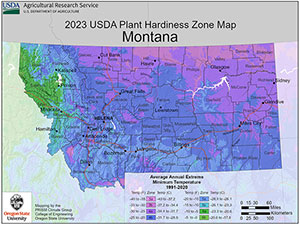
    Montana, one of the states notorious for its frigid climate, isn’t exactly the ideal locale for palm tree cultivation. This vast state can be categorized into two distinct climatic regions: semi-arid and continental. Its average January temperature hovers at 27°F (–2°C), while July brings an average temperature of 85°F (29°C). Winters here can be exceptionally…

  • Vermont Palm Trees

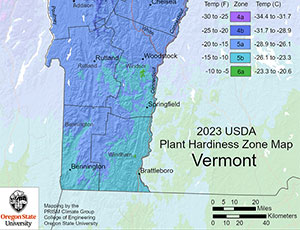
    Vermont, with its humid continental climate characterized by frigid winters and warm, humid summers, is not conducive to the growth of palm trees. During July, the average temperatures in Vermont typically span from 60 to 81°F (15-27°C), while in January, they plummet to a range between 4°F and 25°F (-15°C to -3°C). Notably, fall emerges…

  • Oklahoma Palm Trees

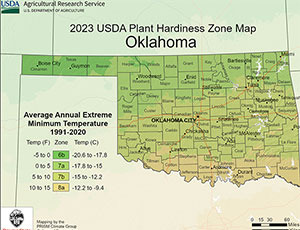
    You can grow cold-hardy palm trees in the warm regions of Oklahoma. The state features a humid subtropical climate characterized by hot summers and cold winters. The average January temperature is 36°F (2°C), while the average July temperature is 82°F (27°C). Oklahoma experiences an annual snowfall of approximately 8.6 inches (21.8 cm). It’s worth noting…

  • New Mexico Palm Trees

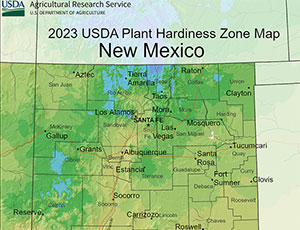
    You can successfully cultivate palm trees in New Mexico. The state’s climate varies from arid to semiarid, characterized by brief, mild winters and hot, dry summers. In January, average temperatures range from 35-55°F (2-13°C), with freezing temperatures common during winter. July brings average temperatures ranging from 78-92°F (26-33°C), with frequent occurrences of temperatures exceeding 100°F…

  • Idaho Palm Trees

    In some of Idaho’s warmer regions, you can indeed cultivate cold-hardy palm trees. Idaho’s climate is decidedly continental, marked by hot summers and harsh winters. In Boise city, for example, you can expect an average temperature of 29°F (–2°C) in January and a balmy 74°F (23°C) in July. Generally, the state experiences low humidity levels….