Utah Palm Trees

In Utah, you can successfully cultivate cold-hardy palm trees that exhibit remarkable durability and adaptability to desert conditions.

Utah boasts a semi-arid to arid climate, characterized by pleasant weather featuring warm summers and mild winters. Approximately 33% of the state comprises true desert areas, where winter temperatures typically average below 32°F during the winter months.

In contrast, the average temperature in July reaches around 78°F (26°C), while January’s average temperature hovers at approximately 28°F (–2°C).

Utah receives an annual average of about 59 inches (150 cm) of snowfall. The primary chain of the Rocky Mountains often acts as a protective barrier, shielding Utah from the frigid Arctic air masses moving down from the north.

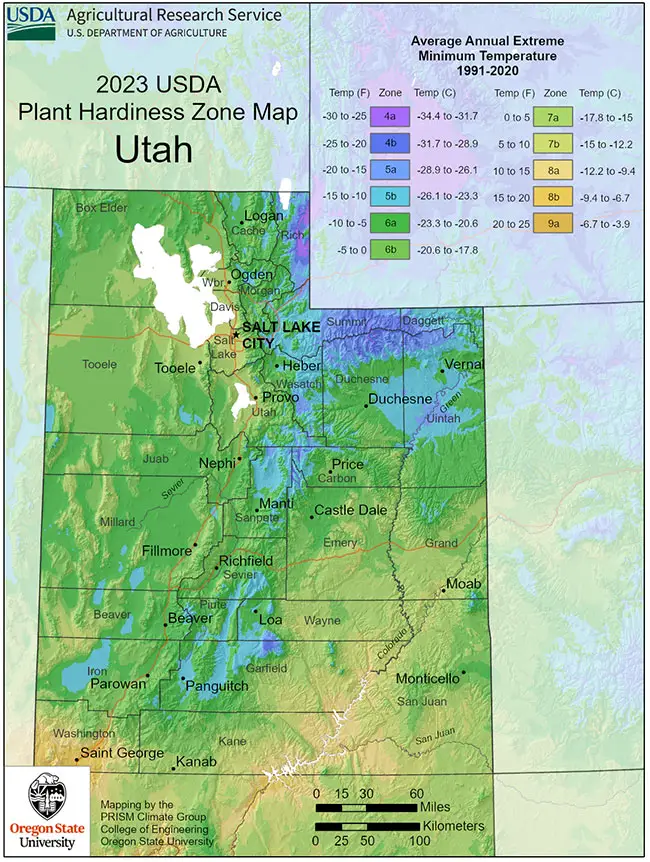
The state’s climate has seen extreme temperature fluctuations, with the highest ever recorded temperature reaching 117°F (47°C) and the lowest plummeting to a chilling -69°F (–56°C). Utah’s USDA hardiness zones span a range from 4a to 9a.

Growing Palm Trees in Utah

Since some of the Utah has desert climate, select palm trees that are durable and will tolerate desert conditions. Here are some of the palm trees that can be grown in Utah:

More Palm Trees»

Major Cities in Utah

Provo – Hardiness Zone 6a
Salt Lake City – Hardiness Zone 8a
Sandy – Hardiness Zone 7a
Similar Posts

  • Arkansas Palm Trees

    Despite Arkansas’ reputation for extreme weather, it is possible to cultivate palm trees in the state. Arkansas boasts a subtropical climate characterized by hot, humid summers and relatively colder, drier winters. Summers see average temperatures in the low 90s, accompanied by high humidity levels, while winters tend to linger in the low 50s. Throughout a…

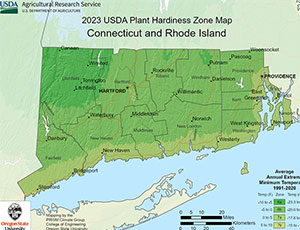
  • Rhode Island Palm Trees

    Rhode Island’s climate is not conducive to palm trees, as it experiences cold temperatures throughout the year. The state features a humid continental climate characterized by chilly winters and brief, rainy summers. Summers are relatively warm, with average July temperatures around 73°F (23°C), while winters are cold, with an average January temperature of 28°F (–2°C)….

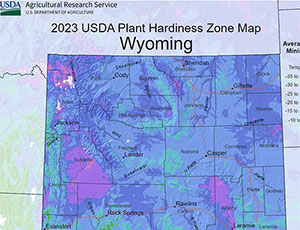
  • Wyoming Palm Trees

    Wyoming’s climate is too cold to support the growth of palm trees. The state experiences a semi-arid and continental climate, primarily influenced by factors such as its high altitude, northern latitude, and local topography. These elements collectively contribute to temperature fluctuations, precipitation levels, airflow patterns, and humidity levels. Overall, Wyoming is characterized by its dry…

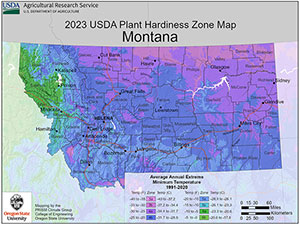
  • Montana Palm Trees

    Montana, one of the states notorious for its frigid climate, isn’t exactly the ideal locale for palm tree cultivation. This vast state can be categorized into two distinct climatic regions: semi-arid and continental. Its average January temperature hovers at 27°F (–2°C), while July brings an average temperature of 85°F (29°C). Winters here can be exceptionally…

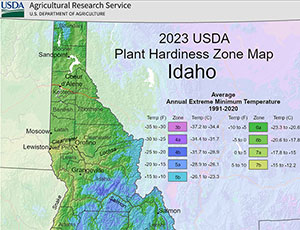
  • Idaho Palm Trees

    In some of Idaho’s warmer regions, you can indeed cultivate cold-hardy palm trees. Idaho’s climate is decidedly continental, marked by hot summers and harsh winters. In Boise city, for example, you can expect an average temperature of 29°F (–2°C) in January and a balmy 74°F (23°C) in July. Generally, the state experiences low humidity levels….

  • Iowa Palm Trees

    Iowa presents a challenging environment for palm tree cultivation, as it is generally too cold for these tropical plants. Even the most cold-hardy palm varieties can only endure the colder temperatures found in zone 7 and higher. Iowa’s climate is characterized as humid continental, featuring wet springs, hot summers, and cold winters, with significant annual…

One Comment

  1. Paul roberts says:

    I would like update information on best palm trees for my area. Currently I shall be moving. May you help select the appropriate palm tree for the area I amean moving too? thank you.

Comments are closed.