Month: July 2010

  • Wyoming Palm Trees

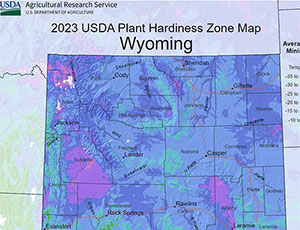
    Wyoming’s climate is too cold to support the growth of palm trees. The state experiences a semi-arid and continental climate, primarily influenced by factors such as its high altitude, northern latitude, and local topography. These elements collectively contribute to temperature fluctuations, precipitation levels, airflow patterns, and humidity levels. Overall, Wyoming is characterized by its dry…
  • Wisconsin Palm Trees

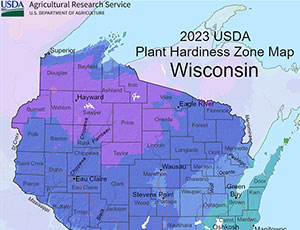
    Growing palm trees in Wisconsin is impractical due to the state’s cold climate. Wisconsin experiences a continental climate characterized by warm summers and extremely cold winters. The presence of Lake Michigan and Superior also influences its weather patterns. During the summer months, particularly in July, Wisconsin witnesses average temperatures ranging from 68°F (20°C) to 80°F…

  • West Virginia Palm Trees

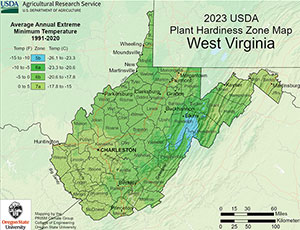
    Growing palm trees in West Virginia can be quite challenging unless you create a special environment. West Virginia has a mix of climates, including a humid continental climate and some parts with a humid subtropical climate. Summers here are humid and warm to hot, with July temperatures typically ranging from 67 °F (19 °C) to…

  • Washington Palm Trees

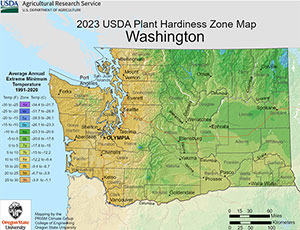
    You can indeed grow palm trees in the warm parts of Washington state. Washington has a mild climate, and it’s divided into two main regions: the western part, which has an oceanic climate, and the eastern part, which leans more towards a continental climate. The Cascade Mountains split the state. In the western region, the…

  • Vermont Palm Trees

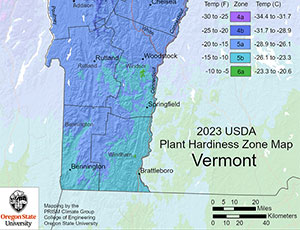
    Vermont, with its humid continental climate characterized by frigid winters and warm, humid summers, is not conducive to the growth of palm trees. During July, the average temperatures in Vermont typically span from 60 to 81°F (15-27°C), while in January, they plummet to a range between 4°F and 25°F (-15°C to -3°C). Notably, fall emerges…

  • Utah Palm Trees

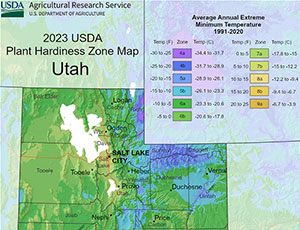
    In Utah, you can successfully cultivate cold-hardy palm trees that exhibit remarkable durability and adaptability to desert conditions. Utah boasts a semi-arid to arid climate, characterized by pleasant weather featuring warm summers and mild winters. Approximately 33% of the state comprises true desert areas, where winter temperatures typically average below 32°F during the winter months….

  • Texas Palm Trees

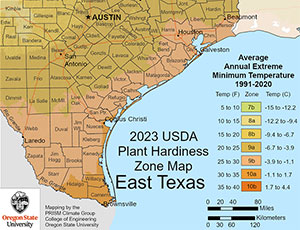
    Texas offers a wide variety of palm trees suitable for cultivation. Spanning a vast expanse, Texas encompasses diverse climates, ranging from arid conditions in the west to humid environments in the east. The state experiences an average July temperature range of 73-91°F (22-32°C), while January temperatures typically fall between 42-61°F (5-16°C). Texas faces natural threats…

  • Tennessee Palm Trees

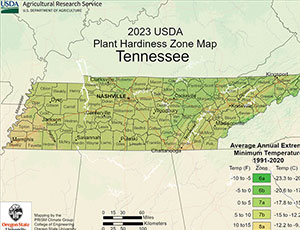
    Growing palm trees in Tennessee poses a considerable challenge due to its cold winters. The state’s climate varies, encompassing a humid subtropical climate in some areas and a humid continental climate in others. Summers tend to be hot and humid, with average July temperatures hovering around 90°F (32°C). Winters, while generally mild to cool, feature…

  • South Dakota Palm Trees

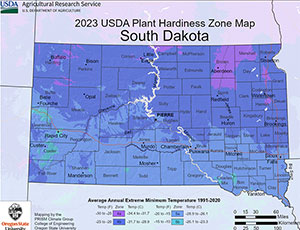
    South Dakota’s climate is far from suitable for growing palm trees due to its extreme cold. The state boasts a continental climate marked by hot semi-humid summers and bitterly cold winters. Average July temperatures typically span from 74°F to 80°F (23°C to 26°C), while January brings frigid temperatures ranging from 15°F to 25°F (-9°C to…

  • New Hampshire Palm Trees

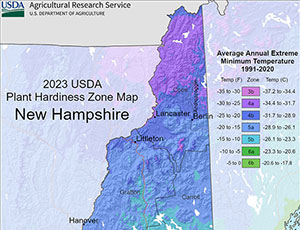
    New Hampshire is not a suitable place for palm trees due to its cold climate. The state experiences a humid continental climate characterized by cold and snowy winters, as well as warm and humid summers. In the southeastern part of the state, the influence of the Atlantic Ocean is felt. July sees average temperatures around…

  • Nevada Palm Trees

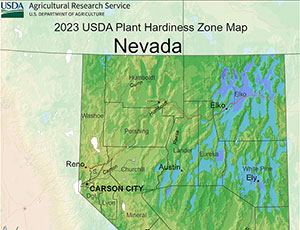
    You can successfully cultivate palm trees in the warm regions of Nevada, which boasts a desert and semiarid climate characterized by a wide range of daily temperatures. Generally, the weather in Nevada is dry and sunny, with the southern region experiencing long, hot summers and short, mild winters. Moving westward, you’ll find short, hot summers…

  • Nebraska Palm Trees

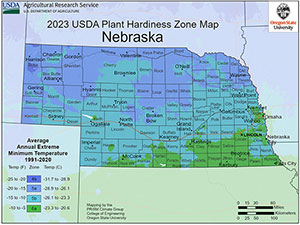
    Nebraska, being a predominantly cold state, is not favorable to the cultivation of palm trees. It is geographically divided into two distinct climatic regions: the eastern half of the state experiences a humid continental climate, while the western half is characterized by a semi-arid climate. Summers here tend to be hot, with an average July…

  • Montana Palm Trees

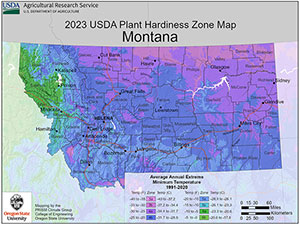
    Montana, one of the states notorious for its frigid climate, isn’t exactly the ideal locale for palm tree cultivation. This vast state can be categorized into two distinct climatic regions: semi-arid and continental. Its average January temperature hovers at 27°F (–2°C), while July brings an average temperature of 85°F (29°C). Winters here can be exceptionally…

  • Missouri Palm Trees

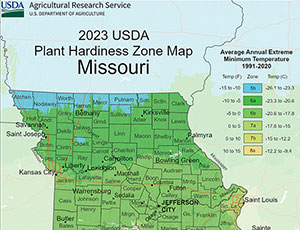
    Cultivating palm trees in Missouri is quite the challenge, primarily because of the harsh winter conditions that prevail in the state. Missouri’s climate can be described as humid continental, marked by lengthy, scorching summers and cool to downright cold winters. In July, the average temperature hovers around 79°F (26°C), but come January, it drops to…